Follow Me On Social Media!


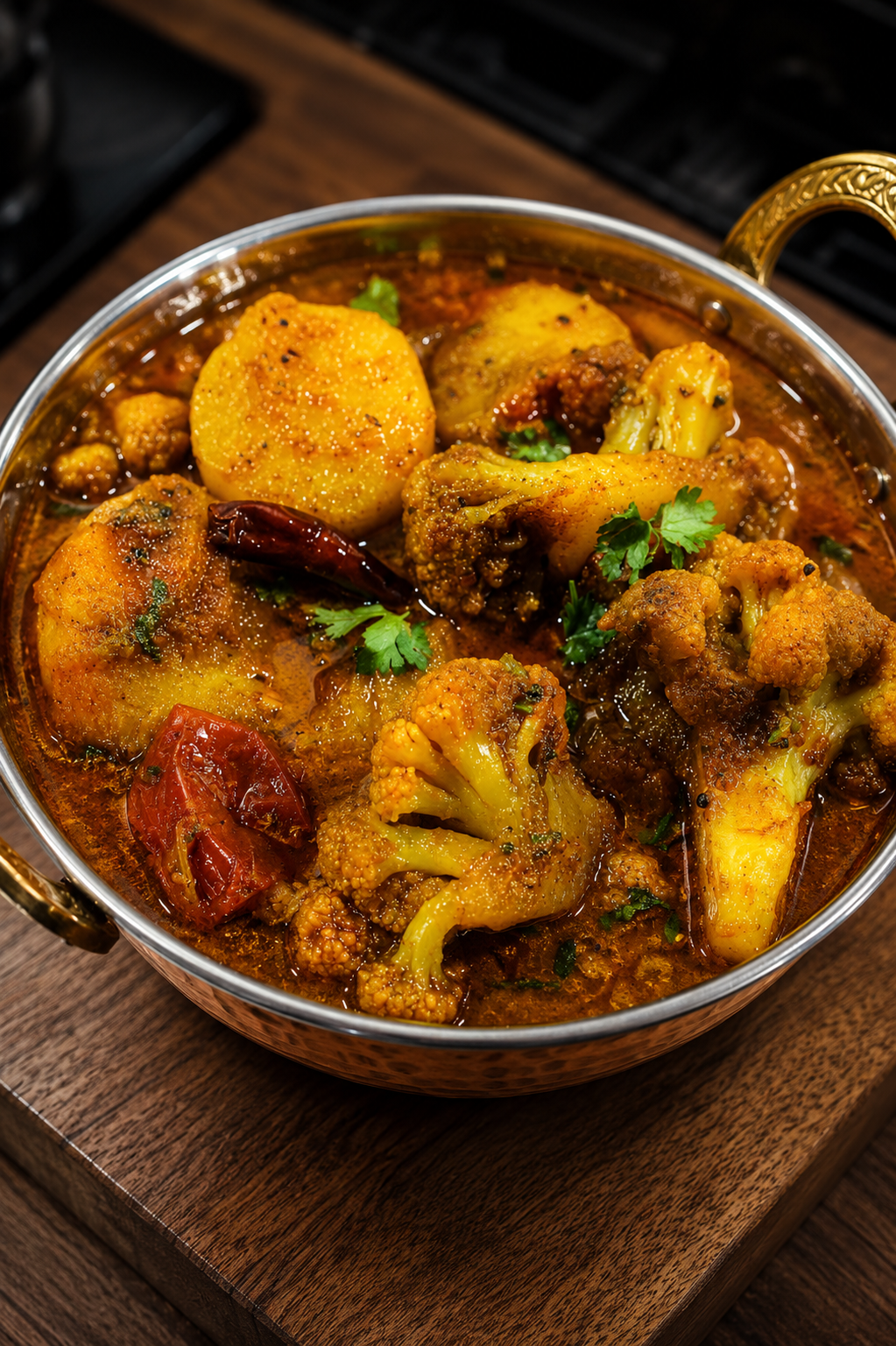
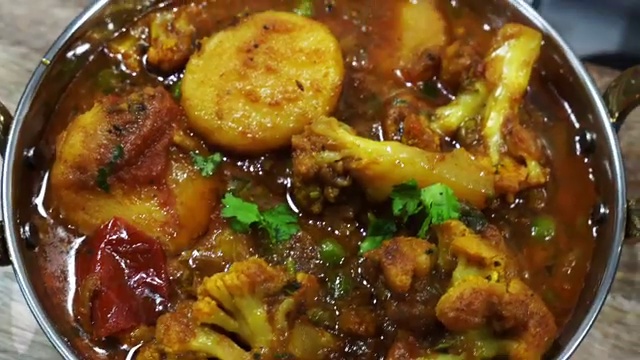
When winter vegetables arrive at their peak of sweetness and freshness, nothing warms a Bengali household quite like a steaming bowl of Bengali Aloo Fulkopir Tarkari (Cauliflower and Potato Curry). Featuring tender, golden pan-fried cauliflower florets and halved potatoes simmered in an aromatic tomato-onion gravy scented with panch phoron, dried red chilies, ginger, and sweet green peas, this comforting curry is a staple of East Indian home cooking. With its delicate balance of earthy spices, natural vegetable sweetness, and velvety gravy, this naturally vegan recipe transforms humble seasonal produce into an extraordinary culinary masterpiece.
In Bengali gastronomy, tarkari refers to a seasoned vegetable dish, and cauliflower (*fulkopi*) holds a place of special honor. Whether prepared as a festive banquet centerpiece during Durga Puja (*Bhoger Aloo Fulkopi*) or served as an everyday lunch dish, this curry celebrates the rich textural interplay between tender cauliflower florets and creamy potatoes.
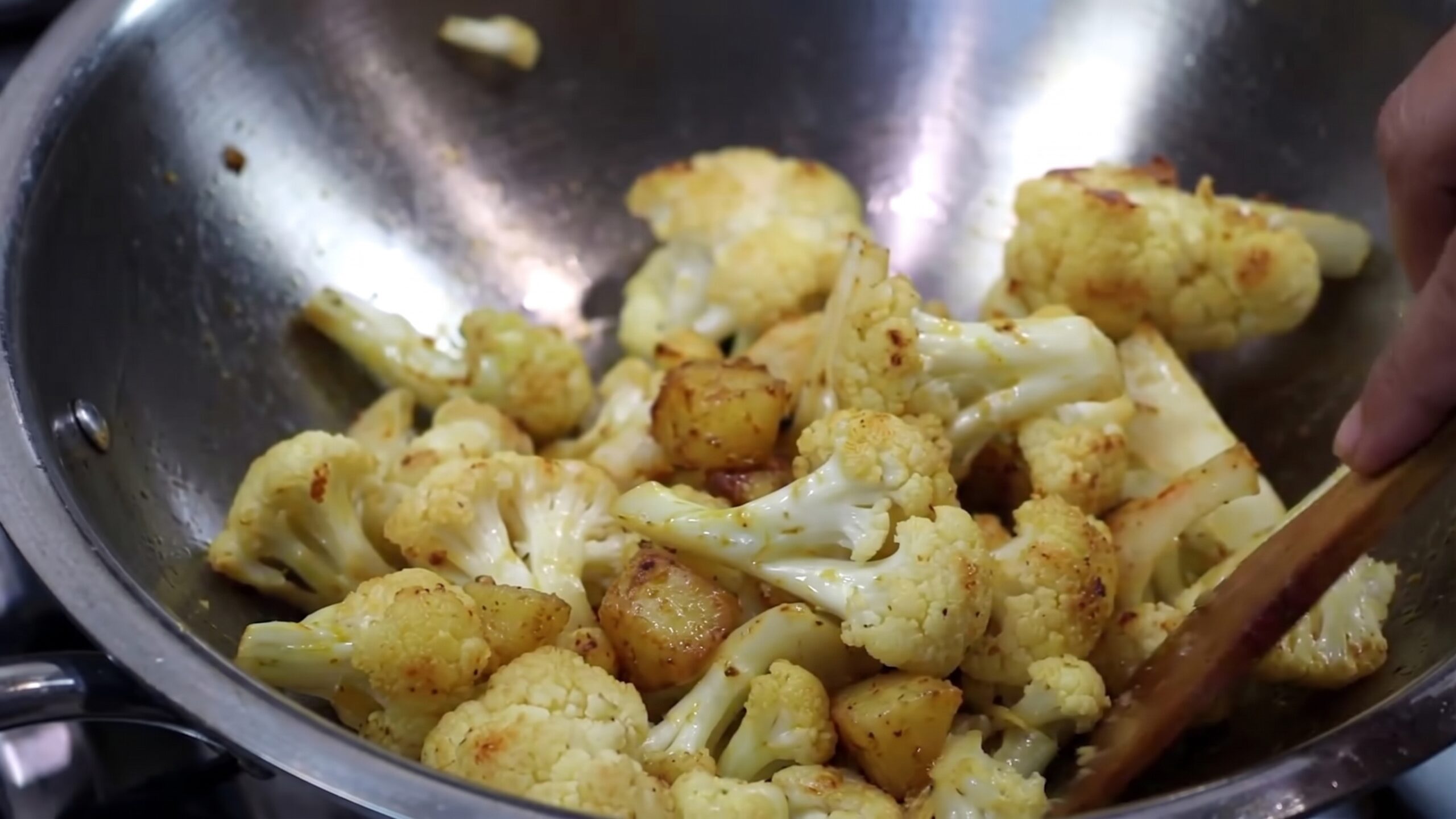
What makes authentic Bengali Aloo Fulkopir Tarkari truly unforgettable is the traditional technique of pan-frying the vegetables in turmeric-infused oil before they ever touch the gravy. Searing the raw cauliflower and potatoes locks in their natural sugars, prevents the florets from dissolving into mush during the simmer, and develops a delicious roasted char. Combined with the aromatic magic of panch phoron (Bengali five-spice) and a slow-cooked ginger-garlic spice slurry, the resulting gravy is savory, lightly tangy, and deeply aromatic. Paired with steaming basmati rice, warm rotis, or crispy puris, it is comfort food at its very finest.
Table of Contents
- What Is Bengali Aloo Fulkopir Tarkari?
- Why You’ll Love This Recipe
- How to Make Bengali Aloo Fulkopir Tarkari
- How to Prevent Cauliflower from Turning Mushy
- What to Serve With Aloo Fulkopir Tarkari
- Top Tips for Perfect Cauliflower Curry
- Storing and Reheating Tips
- Frequently Asked Questions
- Bengali Aloo Fulkopir Tarkari Recipe Card & Cooking Summary
- A Warm Bengali Tarkari to Brighten Any Meal
What Is Bengali Aloo Fulkopir Tarkari?
Aloo Fulkopir Tarkari (also known as Aloo Phulkopir Dalna or Bengali Aloo Gobi) is a classic spiced cauliflower and potato curry from West Bengal and Bangladesh. Unlike dry North Indian sabjis or heavy restaurant curries made with cashews and cream, this traditional Bengali curry features tender vegetables bathed in a light, highly seasoned gravy (jhol or dalna).
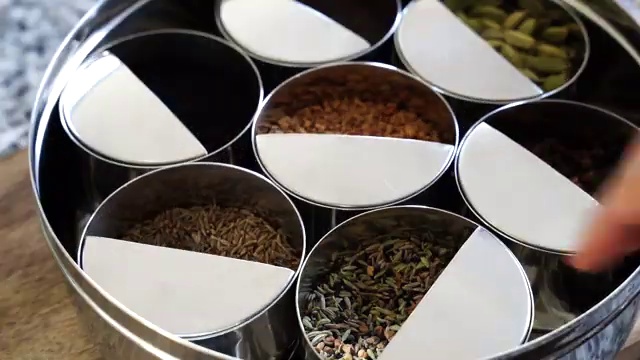
The flavor profile is uniquely defined by panch phoron—the celebrated Bengali five-spice blend of cumin seeds (jeera), fennel seeds (saunf), nigella seeds (kalo jeere), fenugreek seeds (methi), and black mustard or radhuni. When these whole seeds sizzle in warm oil alongside dried red chilies and a bay leaf, they release sweet, pungent, and earthy aromas that permeate the entire dish.
A smooth spice paste made from freshly grated ginger, garlic, ground cumin, turmeric, Kashmiri chili powder, and black pepper forms the flavor base. Sliced fresh tomatoes and sweet green peas lend natural acidity and color, while a pinch of sugar balances the spices to deliver that quintessential Bengali harmony of flavors.
Why You’ll Love This Recipe
This traditional vegetable curry remains a timeless favorite for home cooks and culinary enthusiasts alike:
- Perfect Cauliflower Texture: Pan-frying the florets ensures they turn tender and succulent without falling apart into mush.
- 100% Vegan & Naturally Gluten-Free: A wholesome, plant-based meal suitable for clean eating, dairy-free diets, and meatless dinners.
- Authentic East Indian Aromatics: The intoxicating aroma of sizzling panch phoron and ginger-garlic paste creates true regional flavor.
- Nutrient-Dense Comfort: High in dietary fiber, vitamins C and K from cauliflower, potassium from potatoes, and anti-inflammatory turmeric.
- Customizable Gravy: Keep it lightly soupy to ladle over steamed rice, or simmer it down to a clingy gravy to scoop with flatbreads.
- Inexpensive Winter Meal: Makes generous use of affordable seasonal vegetables to feed a hungry family.
How to Make Bengali Aloo Fulkopir Tarkari
Cooking this authentic curry is simple when following our methodical approach: prepare the spice paste, pan-fry the vegetables, build the aromatic tempering, and simmer gently. Review the overview, ingredient breakdown, and detailed step-by-step photo guide below.
Quick Overview
- Prep Time: 15 minutes
- Cook Time: 35 minutes
- Total Time: 50 minutes
- Servings: 4 to 6 servings
- Difficulty: Easy / Beginner-Friendly
- Cuisine: Bengali / East Indian
- Course: Main Vegetarian Curry / Side Dish
Key Ingredients & Flavor Roles
- Fresh Cauliflower (530g / 1 medium head): Cut into large florets so they hold their shape during frying and simmering.
- Potatoes (400g / 4–5 small potatoes): Halved or cut into large chunks to match the size of the cauliflower.
- Cooking Oil (4 tbsp total): Mustard oil or neutral vegetable oil for frying vegetables and blooming whole spices.
- Panch Phoron (1 tsp): The essential Bengali five-spice blend (cumin, fennel, nigella, fenugreek, and mustard/radhuni) for signature fragrance.
- Dry Bay Leaf & Dried Red Chilies (1–2): Adds woodsy depth and gentle smoky heat.
- Thinly Sliced Onion (170g / 1 large): Cooked pale and soft to provide gentle sweetness and body.
- Ginger & Garlic Paste (1 tbsp grated ginger + 1 tbsp grated garlic): The aromatic core of the spice paste.
- Ground Spice Blend: Kashmiri chili powder, turmeric, cumin powder (jeera), black pepper, and optional sweet paprika for deep ruby color.
- Sliced Tomatoes (170g / 2 small): Adds pleasant tanginess and moisture to the simmering gravy.
- Green Peas (¼ cup): Fresh or frozen sweet peas for texture and color contrast.
- Garam Masala (1 tsp) & Kasoori Methi (1 tsp): Warming finishing spices.
- Fresh Coriander: Bright, herbal finish.
Step-by-Step Cooking Instructions
Follow these numbered steps with matching photos for guaranteed culinary success.
Step 1: Prepare the Spice Paste
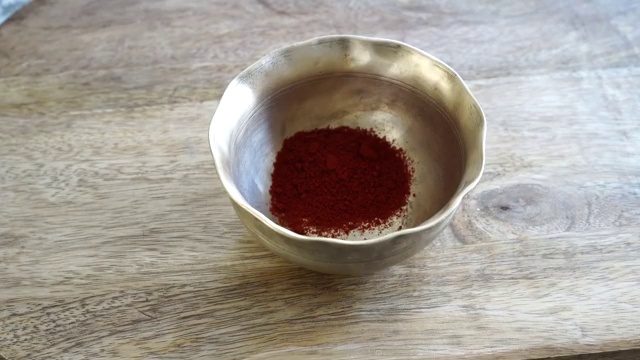
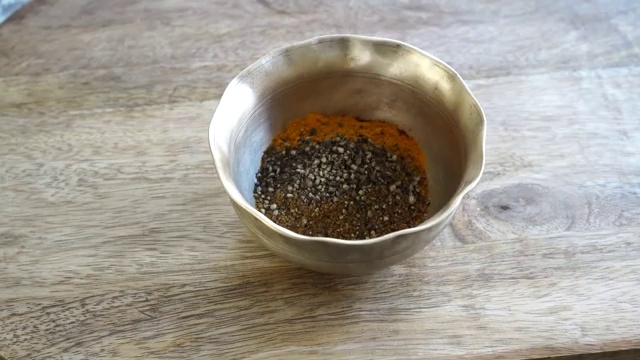
In a small bowl, combine 1 tsp sweet paprika (optional), 1 tsp Kashmiri chili powder, 1 tsp turmeric powder, 1 tsp ground cumin, and ½ tsp ground black pepper.
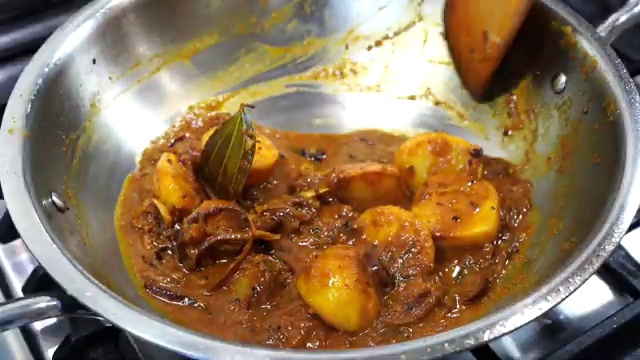
Add 20g (1 tbsp) finely grated ginger and 15g (1 tbsp) finely grated garlic.
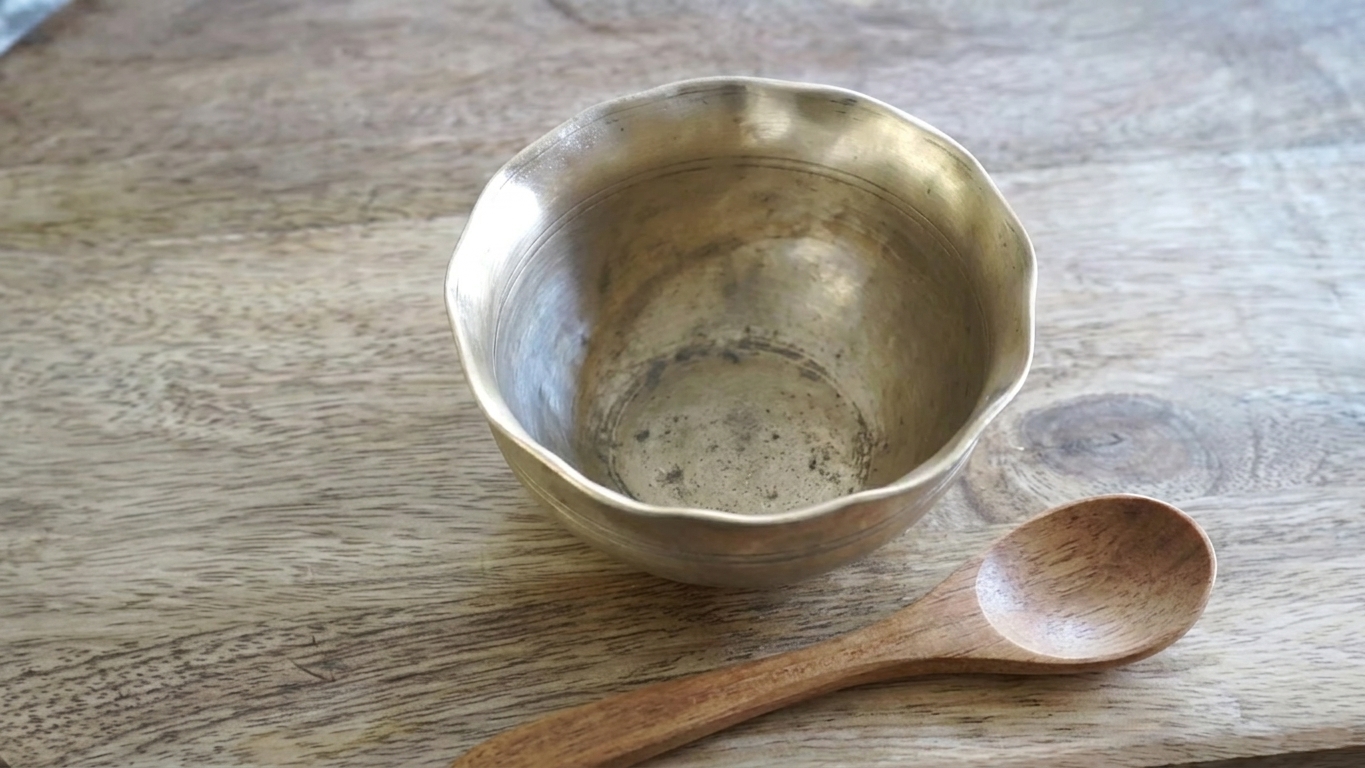
Pour in ¼ cup of water and mix thoroughly into a smooth, pourable spice paste. Set aside.
Step 2: Prep Potatoes and Cauliflower
Wash potatoes well and cut small potatoes in half. Cut cauliflower into large florets of similar size to the potatoes. Chef’s Rule: Large pieces prevent the vegetables from turning mushy during cooking.
Step 3: Fry the Potatoes in Turmeric Oil
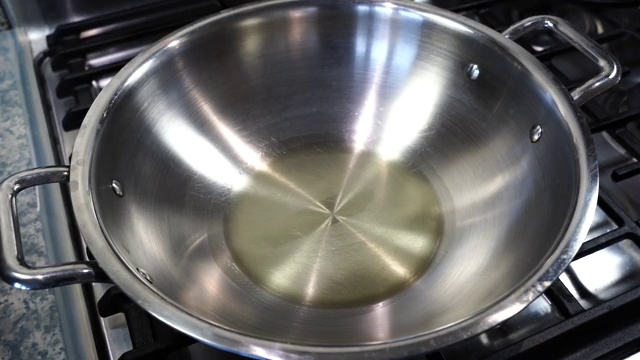
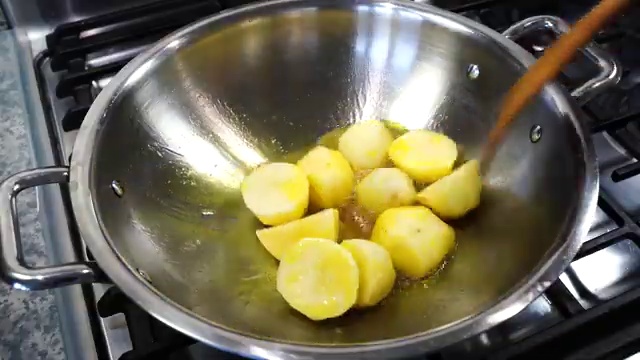
Heat 2 tablespoons of oil in a large heavy-bottomed skillet over medium heat. Add ⅛ teaspoon of turmeric powder directly to the hot oil.
Add the halved potatoes and fry over medium heat, stirring frequently.
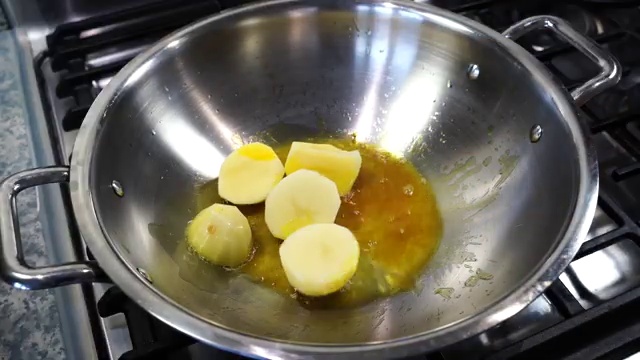
Cook until the potatoes develop a golden-brown crust around their edges (about 5–6 minutes). Remove and set aside on a plate.
Step 4: Fry the Cauliflower Florets
Add the cauliflower florets to the same pan over medium heat.
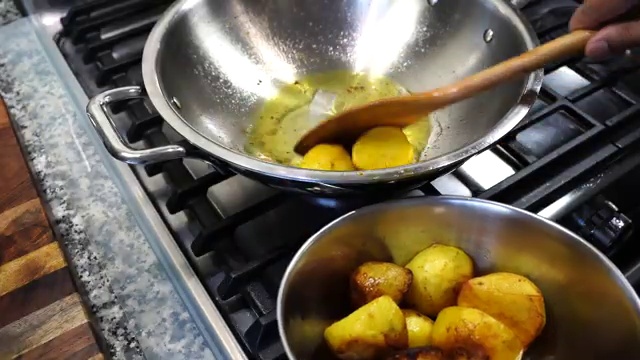
Turn the florets occasionally for 5 to 6 minutes until lightly browned on the edges. Remove and transfer to a separate bowl.
Step 5: Temper Whole Spices and Panch Phoron
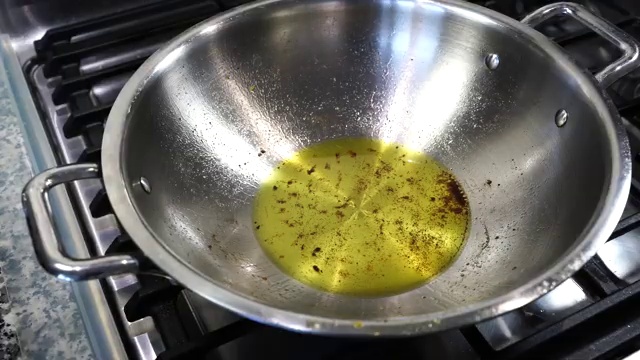
Add the remaining 2 tablespoons of oil to the pan over medium heat. Add 1 bay leaf and 1–2 dried red chilies.

Add 1 teaspoon of panch phoron. Let the seeds sizzle for 2 to 3 seconds until fragrant—do not let them burn.

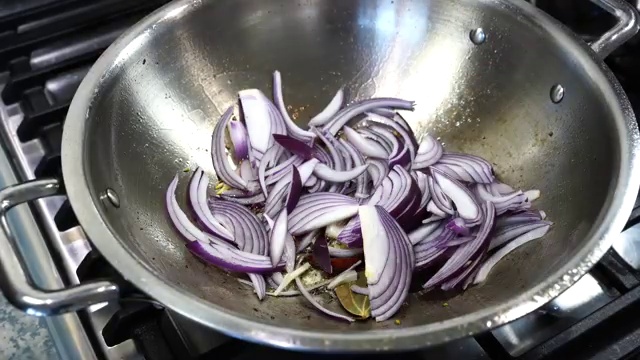
Step 6: Sauté Onions
Add the sliced onions with a pinch of salt.
Sauté over medium heat for 4 to 5 minutes until soft, pale, and translucent (do not brown deeply).

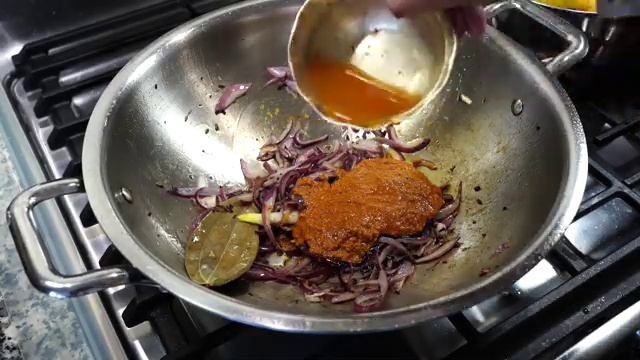
Step 7: Cook the Spice Paste
Add the prepared spice paste to the onions, using a splash of water to rinse the bowl.
Reduce heat to low and cook for about 5 minutes, adding splashes of hot water as needed to prevent sticking.
Step 8: Balance the Masala
Add 1 teaspoon of sugar to round out the spices and tomato acidity.
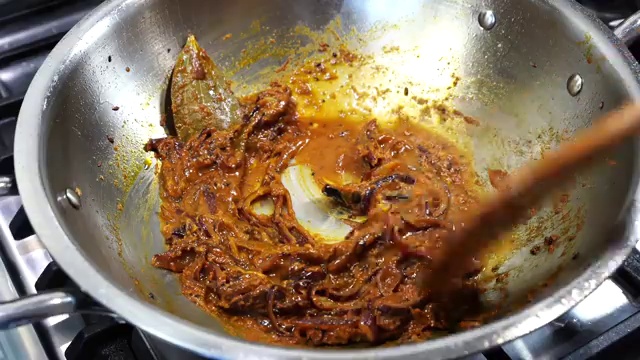
Add ½ cup of hot water and stir to form a rich, smooth curry base.
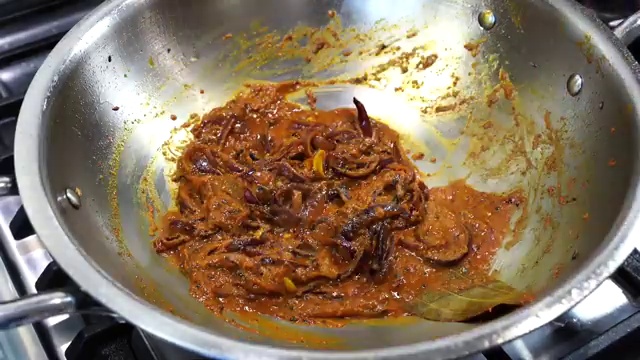
Step 9: Add the Fried Potatoes
Return the golden-fried potatoes to the skillet.
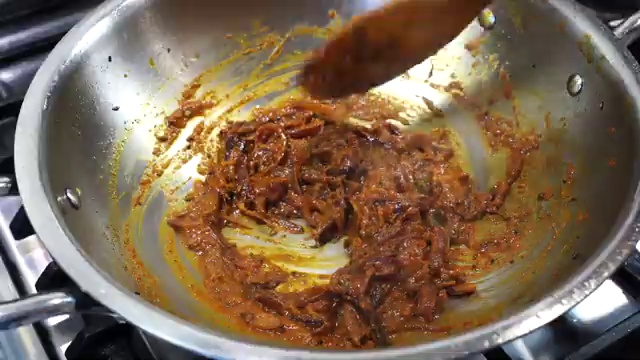
Stir to coat the potatoes in masala and cook over medium-low heat for 3 to 4 minutes.
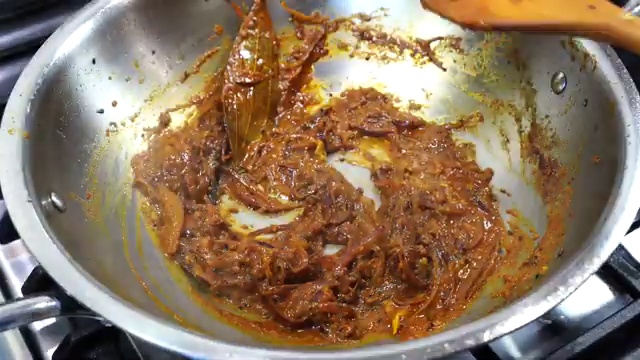
Step 10: Add Fried Cauliflower and Seasoning
Add the fried cauliflower florets into the pan.
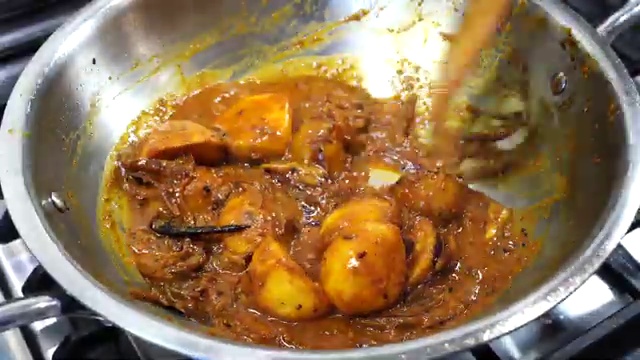
Gently stir in the remaining salt, 1 tsp garam masala, and 1 tsp crushed kasoori methi (optional).
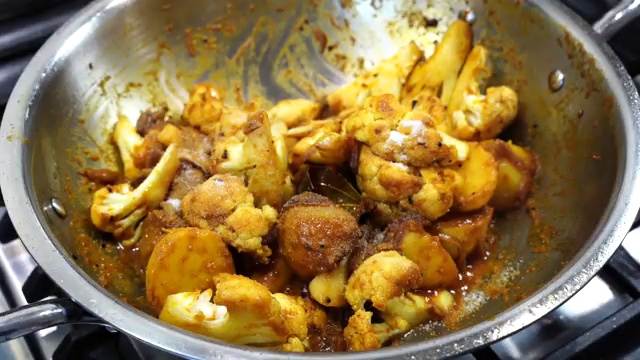
Step 11: Add Gravy Water
Pour in approximately 2 cups of hot water and stir gently.

Step 12: Add Sliced Tomatoes
Add the sliced tomatoes to the pan and gently fold them into the liquid.
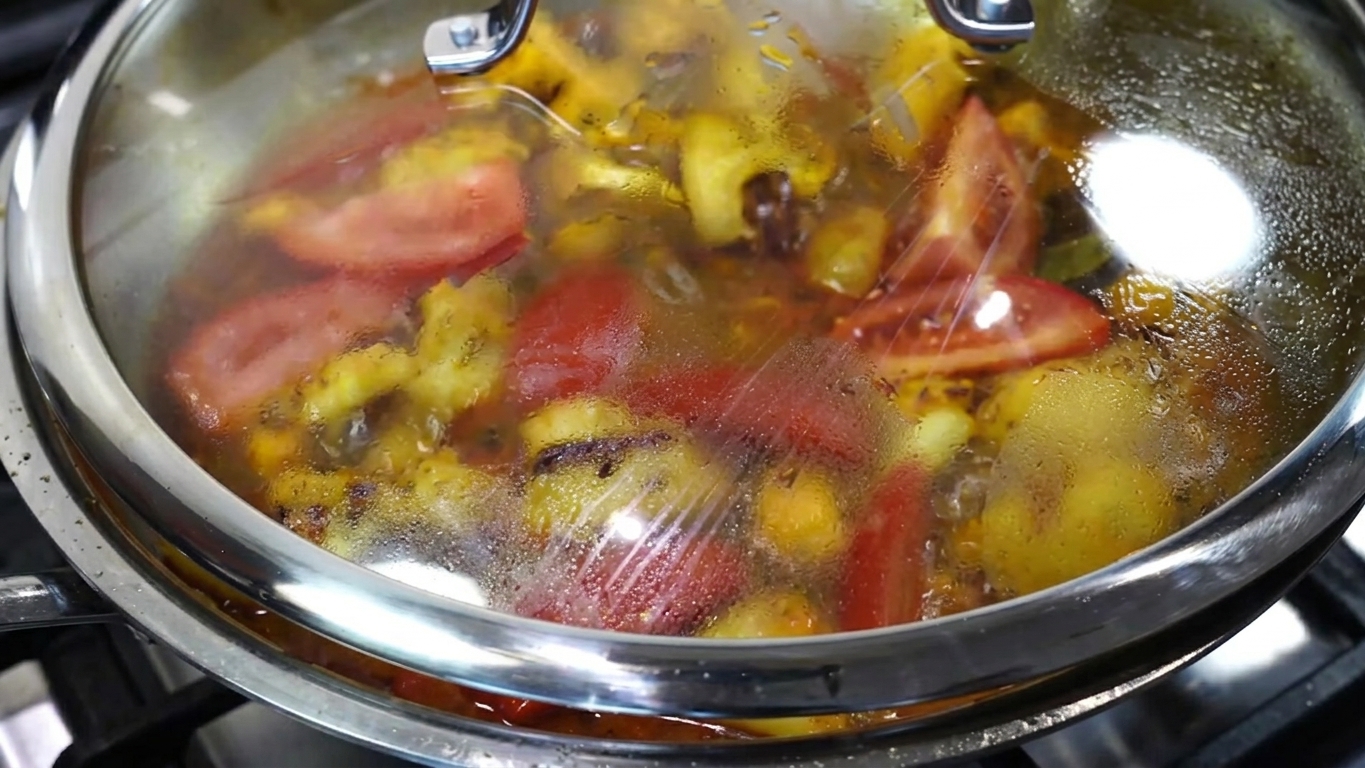
Step 13: Simmer Covered Until Tender
Partially cover the pan and simmer over medium-low heat for 8 to 10 minutes.
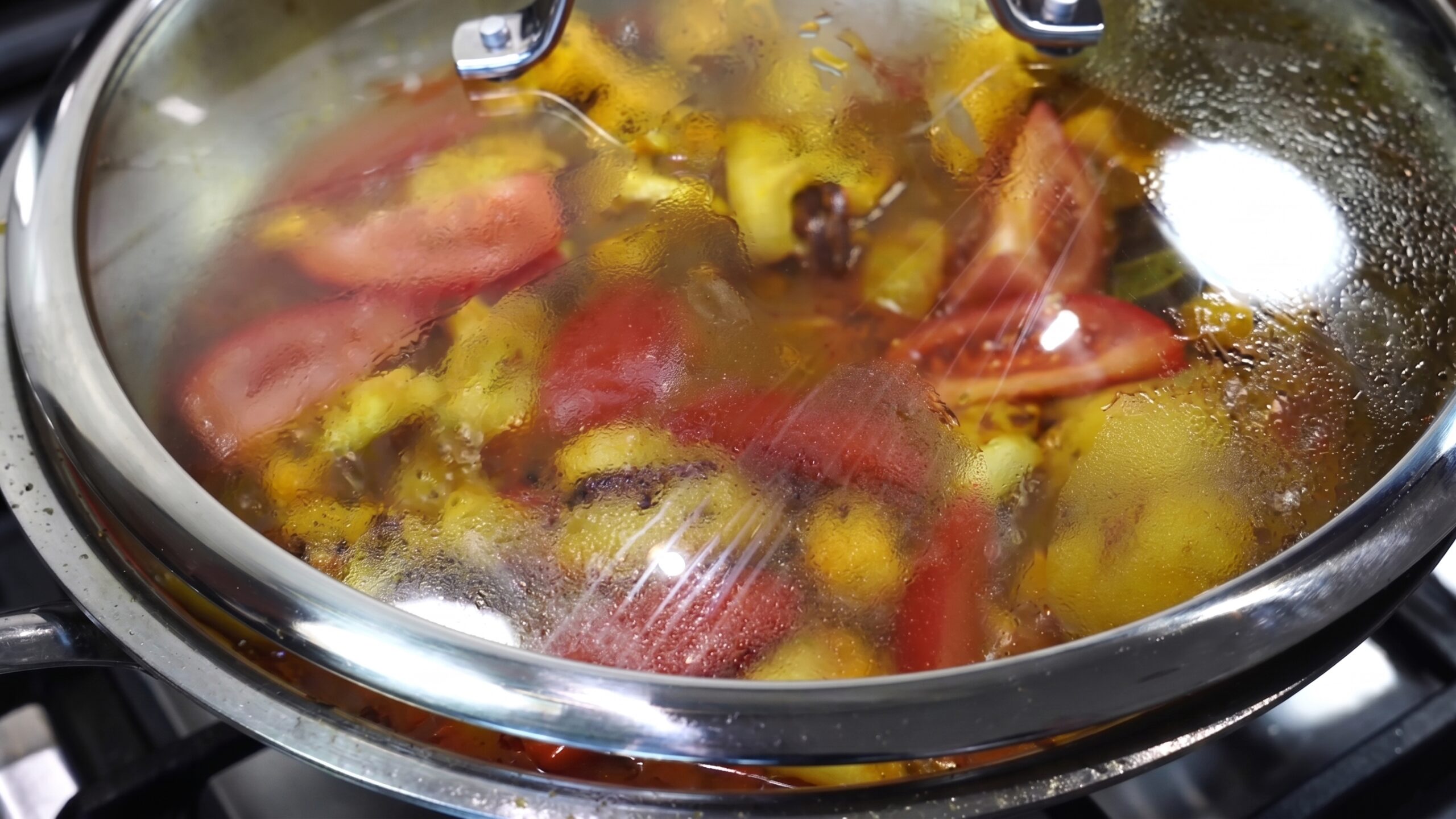
Check with a paring knife; both potato and cauliflower should be fork-tender but hold their shapes firmly.

Step 14: Naturally Thicken Gravy
Gently break 1 or 2 pieces of potato with the back of a spoon against the pan wall. The released starch naturally thickens the sauce without needing cornstarch.
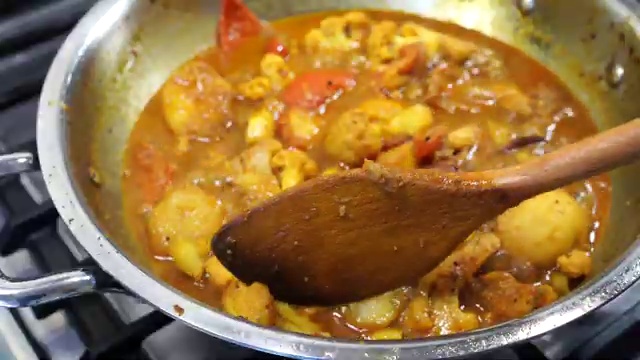
Step 15: Add Green Peas
Add ¼ cup of green peas and stir gently to distribute throughout the curry.
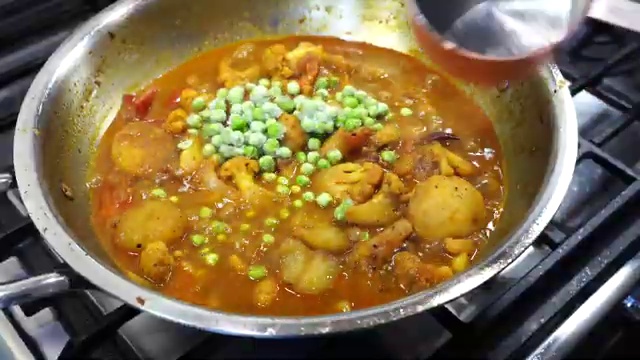
Step 16: Finish with Coriander and Serve
Stir in 2 tablespoons of chopped fresh coriander leaves. Taste and adjust salt or chili if desired.

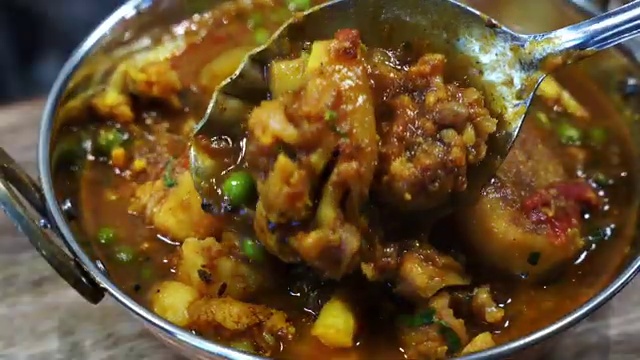
Serve hot with freshly steamed basmati rice or warm Indian flatbreads.
How to Prevent Cauliflower from Turning Mushy
The most common pitfall in vegetable curries is overcooked, disintegrating cauliflower. To ensure your florets stay tender yet structurally intact, keep these chef tips in mind:
- Cut into Large Florets: Small florets break down too quickly. Aim for florets roughly 1.5 to 2 inches in size.
- Sauté in Hot Oil First: Pan-frying the cauliflower creates a protective outer seared crust that holds the vegetable together in simmering liquid.
- Add Water in Stages: Simmer the potatoes first, and only add the cauliflower when the dish is ready for its final 8–10 minute simmer.
What to Serve With Aloo Fulkopir Tarkari
Bengali Aloo Fulkopir Tarkari is a versatile vegetable centerpiece that pairs effortlessly with rice, flatbreads, and complementary curries. Here are our favorite menu pairings:
- Rice & Grains: Spoon over steaming basmati rice or pair with our fragrant easy vegetable masala rice.
- Soothing Lentils & Dal: Pair with a warm bowl of simple Bengali style masoor dal or rich Bengali-style rajma curry.
- Crispy Vegetable Side Dishes: Add crunchy texture with crispy aloo beans dry sabji or Bengali potato and dill leaves stir-fry.
- Complete Home-Style Thalis: Combine with our daily Bengali dal, okra sabji & cabbage curry lunch thali or our everyday Indian home-style meal.
- Paneer & Vegetable Feasts: Serve alongside creamy simple palak paneer, rich aloo dum potato curry with green peas, or plant-based plant-based Indian home meal.
- Seafood & Meat Curries: Pair with juicy chicken keema curry with potatoes, ultimate butter chicken (murgh makhani), authentic Bengali macher jhal (spicy fish curry), or crispy air fryer tandoori fish.
- Condiments & Dessert: Add a spoonful of tangy green mango pickle (aam ka aachar) and finish with warm festive carrot halwa (gajar ka halwa).
Top Tips for Perfect Cauliflower Curry
To master this homestyle Bengali curry on your first attempt, keep these chef tips in mind:
- Always Use Hot Water: Adding cold water while simmering or adjusting gravy cools down the pan and affects vegetable texture. Always use boiling or hot water.
- Do Not Burn Panch Phoron: Fenugreek and mustard seeds can scorch quickly and turn bitterly acrid. Sizzle for only 2 to 3 seconds before adding the onions.
- Cook the Spice Paste Slowly: Sautéing the ginger-garlic spice paste over low heat with splashes of hot water prevents burning while developing maximum flavor.
- Keep Onions Translucent: Do not deeply brown the onions. Soft, pale onions provide the sweet, delicate undertone essential for Bengali dalna gravies.
- Break 1 Potato for Natural Thickness: Avoid adding cornstarch or heavy flour; simply crush a single potato piece to create a velvety sauce.
Storing and Reheating Tips
Bengali Aloo Fulkopir Tarkari stores exceptionally well as the vegetables continue to absorb the aromatic spices:
- Refrigeration: Allow leftover curry to cool completely. Transfer to an airtight glass container and refrigerate for up to 3 to 4 days.
- Stovetop Reheating (Best Method): Reheat gently in a saucepan over medium-low heat. Add 2 to 3 tablespoons of hot water to loosen the gravy without breaking the cauliflower florets.
- Microwave Reheating: Heat in a microwave-safe container in 60-second intervals with a small splash of water, stirring gently.
- Freezing: We do not recommend freezing cooked cauliflower curry, as cauliflower releases moisture upon thawing and loses its pleasant texture. Enjoy fresh or refrigerated.
Frequently Asked Questions
Can I make this curry without potatoes?
Yes! You can make a cauliflower-only version by omitting potatoes and reducing the total simmering time by about 3 to 5 minutes.
What if I don’t have panch phoron?
Mix equal parts of cumin seeds, fennel seeds, nigella seeds (kalonji), fenugreek seeds, and black mustard seeds. If whole spices are unavailable, a simple cumin seed tempering will still make a tasty curry.
Can I use frozen cauliflower?
Fresh cauliflower is best because it browns nicely. If using frozen, thaw completely and pat thoroughly dry before searing to prevent oil splatters.
How can I make it milder for children?
Omit the whole dried red chilies and reduce the Kashmiri chili powder to ½ teaspoon. Sweet paprika will maintain the vibrant red color without adding heat.
Bengali Aloo Fulkopir Tarkari Recipe Card & Cooking Summary
Bengali Aloo Fulkopir Tarkari (Cauliflower & Potato Curry)
Golden-fried cauliflower florets and tender potatoes simmered in an aromatic panch phoron and tomato gravy with sweet green peas.
Prep Time: 15 mins | Cook Time: 35 mins | Total Time: 50 mins | Servings: 4–6 | Cuisine: Bengali | Diet: Vegan / Gluten-Free
Ingredients Summary
- 530g (1 medium head) cauliflower, cut into large florets
- 400g (4–5 small) potatoes, halved
- 4 tbsp cooking oil (divided) & ⅛ tsp turmeric for frying
- 1 dry bay leaf & 1–2 dried red chilies
- 1 tsp panch phoron (Bengali five-spice)
- 170g (1 large) onion, thinly sliced
- 170g (2 small) tomatoes, sliced
- ¼ cup green peas (fresh or frozen)
- 2 tsp salt (to taste) & 1 tsp sugar (optional)
- 1 tsp garam masala & 1 tsp kasoori methi (optional)
- 2 tbsp fresh coriander leaves, chopped
- 2½ cups hot water (divided)
- Spice Paste: 1 tsp sweet paprika, 1 tsp Kashmiri chili, 1 tsp turmeric, 1 tsp cumin powder, ½ tsp black pepper, 1 tbsp grated ginger, 1 tbsp grated garlic, ¼ cup water
Quick Instructions
- Mix spice paste ingredients with ¼ cup water until smooth.
- Heat 2 tbsp oil with ⅛ tsp turmeric; fry potato halves until golden (5–6 mins); remove. Fry cauliflower florets until golden (5–6 mins); remove.
- Heat remaining 2 tbsp oil; sizzle bay leaf, dried chilies, and panch phoron (2–3 secs). Sauté onions until soft and translucent (4–5 mins).
- Add spice paste; cook on low heat for 5 mins with splashes of water. Add sugar and ½ cup hot water.
- Add fried potatoes; simmer for 3–4 mins. Add fried cauliflower, remaining salt, garam masala, and kasoori methi.
- Pour in 2 cups hot water and sliced tomatoes. Partially cover and simmer on medium-low for 8–10 mins until tender.
- Crush 1 potato piece to thicken gravy; stir in green peas and fresh coriander. Serve hot with rice or roti.
A Warm Bengali Tarkari to Brighten Any Meal
Bengali Aloo Fulkopir Tarkari represents the true soul of East Indian home cooking: simple, honest seasonal vegetables elevated by thoughtful spice tempering and gentle searing. By browning the cauliflower and potatoes first and simmering them in a fragrant panch phoron gravy, you achieve a dish that is deeply comforting and aromatic.
Spoon it piping hot over a mound of fluffy basmati rice or scoop it up with fresh whole-wheat rotis, and experience the warmth of authentic Bengali cuisine right at home. Cook this flavorful tarkari tonight and enjoy every delicious bite!