Follow Me On Social Media!


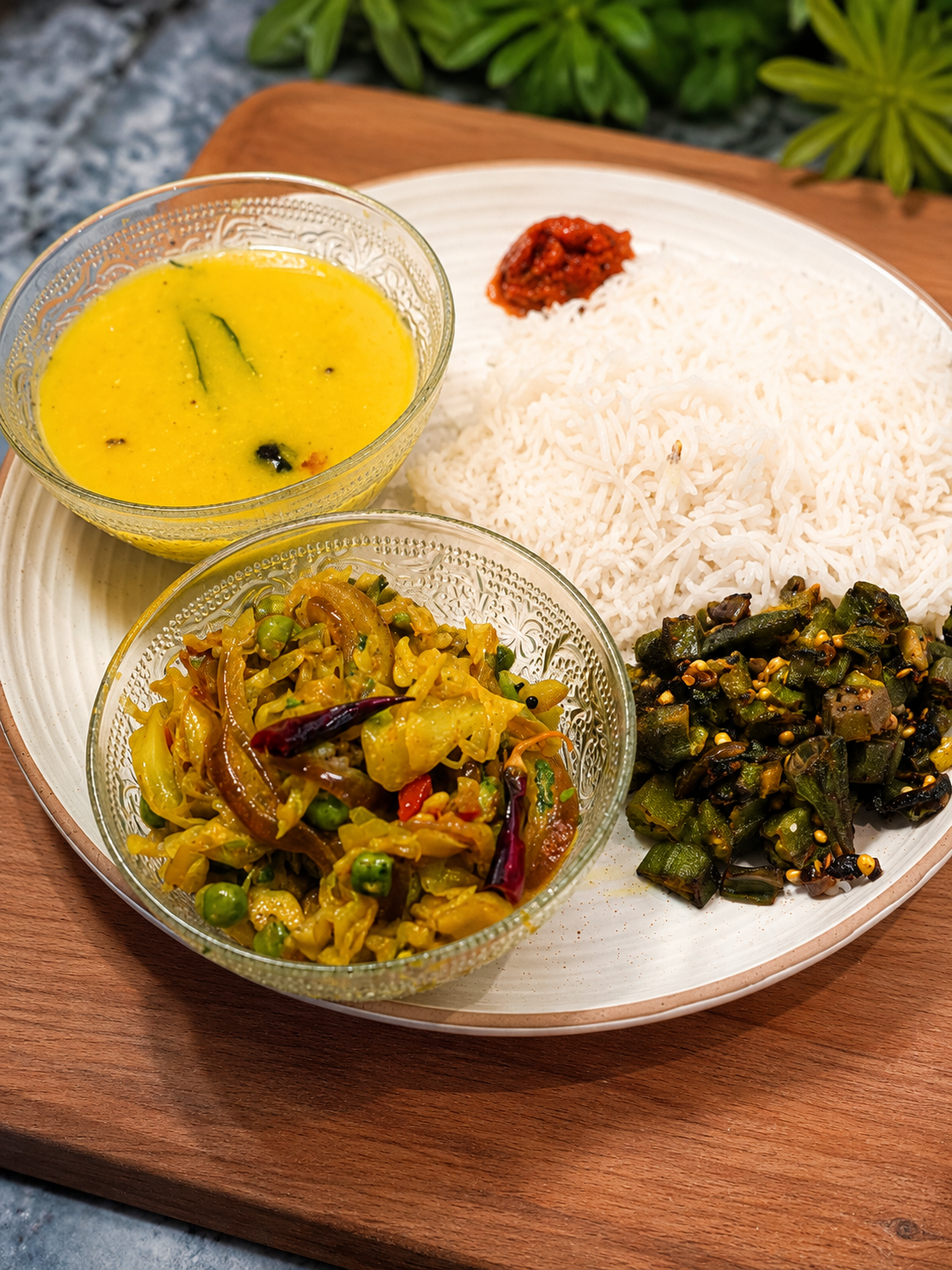
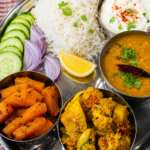
Nothing embodies the warmth and nourishment of everyday Indian home cooking quite like a traditional Bengali lunch thali. Rooted in the harmony of contrasting textures and delicate whole-spice aromatics, this comforting midday meal brings together three beloved culinary staples: a silky, protein-packed Bengali masoor and moong dal, a savory pan-seared okra sabji (bhindi) tossed with onions and tomatoes, and a fragrant shredded cabbage curry with sweet green peas tempered with five-spice panch phoron. Whether you are looking for a wholesome weekday lunch, a vibrant plant-based dinner, or an effortless meal-prep blueprint, this balanced platter delivers deep, soul-satisfying flavors with minimal effort.
In a traditional Bengali household, the daily lunch—fondly known as bhat-dal-torkari (rice, lentils, and vegetables)—is designed to satisfy the palate without feeling heavy. Unlike rich restaurant curries that rely on heavy creams, cashews, or pungent commercial spice mixes, authentic home-style Indian cooking celebrates the natural sweetness of fresh vegetables, the lightness of split lentils, and the vibrant lift of whole-spice tempering (tadka or phoron).
What makes this specific thali combination so popular is how effortlessly each dish balances the next. The soothing, mild dal acts as a comforting canvas when swirled into hot steamed rice; the pan-fried okra provides a savory, caramelized crunch with tender onions; and the braised cabbage delivers a subtle sweetness perfumed by the distinct herbal notes of fennel, nigella, and cumin seeds. Cooked in parallel in under 45 minutes using standard pantry spices, this meal proves that nutritious, restaurant-worthy Indian dining can be a seamless part of your daily routine.
Table of Contents
- What Is a Bengali Lunch Thali?
- Why You’ll Love This Daily Indian Thali
- How to Make Daily Bengali Dal, Okra Sabji & Cabbage Curry
- What to Serve With This Bengali Lunch Thali
- Top Tips for a Perfect Indian Lunch Thali
- Storing and Reheating Tips
- Frequently Asked Questions
- Bengali Lunch Thali Recipe Card & Cooking Summary
What Is a Bengali Lunch Thali?
A Bengali thali is a thoughtfully curated meal platter that reflects the centuries-old culinary heritage of Bengal in Eastern India. Rather than serving everything in a single muddled bowl, a thali arranges several complementary dishes around a generous mound of steaming rice, allowing you to appreciate the unique aroma, spice profile, and texture of each component individually.
At the center of this daily lunch is masoor and moong dal. While red lentils (masoor) cook down into an ultra-silky, comforting broth, split yellow moong lentils (moong dal) lend a delicate nuttiness and body. Together, they form an everyday staple that is simmered with turmeric and salt before being kissed by a fragrant tempering (tadka) of toasted cumin seeds, dried red chilies, and aromatic curry leaves.
Flanking the dal are two distinctive vegetable dishes (sabjis or torkari). The okra sabji (bhindi bhaji) is dry-sautéed with black mustard seeds, cumin, sliced onions, and juicy chopped tomatoes until caramelized and tender without any unwanted slime. Alongside it sits the classic Bengali cabbage curry with green peas (badhakopi torkari), which gains its quintessential Eastern Indian character from panch phoron—a classic five-spice blend of equal parts fenugreek, nigella, cumin, black mustard, and fennel seeds.
Together, these three components form a complete nutritional profile: complex carbohydrates from rice or flatbread, clean plant-based protein and fiber from the dual lentils, and essential vitamins and micronutrients from the green vegetables and antioxidant-rich whole spices.
Why You’ll Love This Daily Indian Thali
If you have ever felt intimidated by the complexity of Indian cooking, this everyday lunch thali is the ultimate introduction. Here is why this recipe will quickly earn a permanent spot in your weekly dinner and meal-prep rotation:
- Everyday Pantry Ingredients: No specialty store runs required. Everything is made with readily available whole spices, dried lentils, and common produce like cabbage, okra, onions, and tomatoes.
- Guaranteed Non-Slimy Okra: Using a smart high-heat initial sear and late seasoning technique, the okra stays tender, crisp, and beautifully caramelized with zero mucilage.
- Quick & Synchronized Preparation: By cooking the lentils in an Instant Pot or pressure cooker while your two vegetable pans simmer on the stovetop, the entire three-course meal comes together in about 35 minutes.
- Naturally Plant-Based & Gluten-Free: 100% vegan, dairy-free, and naturally gluten-free when served with steamed rice, offering clean plant protein and gut-friendly dietary fiber.
- Exceptional Meal-Prep Longevity: The dal and vegetable curries store remarkably well in the refrigerator for up to 4–5 days, and the dal can even be frozen for busy weeknights.
- Customizable Heat & Flavors: Easy to adjust from mild and kid-friendly to pleasantly fiery by simply tweaking the dried red chili count.
How to Make Daily Bengali Dal, Okra Sabji & Cabbage Curry
Preparing a multi-dish Indian lunch is all about workflow and organization. By starting the lentils in your pressure cooker or Instant Pot first, you can chop your vegetables and cook the okra and cabbage curries simultaneously in two wide skillets. Follow this structured guide for seamless, stress-free cooking.
Quick Overview
- Prep Time: 15 minutes (plus 20–30 minutes optional lentil soaking)
- Cook Time: 35 minutes
- Total Time: 50 minutes
- Servings: 4 generous servings
- Difficulty: Easy / Beginner-Friendly
- Cuisine: Bengali / Regional Indian
- Course: Lunch Thali / Main Course
Key Ingredients & Flavor Roles
- Red Lentils (Masoor Dal) & Yellow Split Moong Dal: The duo creates the perfect texture. Masoor breaks down into a creamy, comforting broth, while moong adds body and a nutty, buttery depth.
- Fresh Okra (Bhindi): Fresh, firm green pods that become pleasantly tender and savory when seared over brisk heat with sliced onions.
- Green Cabbage & Green Peas: Freshly shredded cabbage provides natural sweetness and delicate crunch, balanced by the pop of tender green peas.
- Panch Phoron (Bengali 5-Spice): A fragrant blend of whole fenugreek (methi), nigella (kalonji), cumin (jeera), black mustard (rai), and fennel (saunf) seeds that gives the cabbage curry its signature Bengali aroma.
- Mustard & Cumin Seeds: Toasted whole in hot oil to release their essential oils, providing a pungent, nutty foundation for the okra and dal.
- Turmeric & Ground Cumin: Provide radiant golden warmth, earthy undertones, and anti-inflammatory properties across all three dishes.
- Aromatics & Fresh Tomatoes: Ginger-garlic paste, sliced red onions, and juicy diced tomatoes provide sweetness, acidity, and savory body without overpowering the vegetables.
- Dried Red Chilies & Curry Leaves: Added to the sizzling tempering for a gentle smoky kick and herbal fragrance.
Step-by-Step Instructions
Follow the numbered steps below to prepare each component of this traditional thali to perfection.
Part 1: Comforting Bengali Masoor & Moong Dal
- Rinse and Soak the Lentils: Combine ¼ cup red lentils (masoor dal) and ¼ cup yellow split moong dal in a fine-mesh strainer. Rinse thoroughly under cold running water 3–4 times until the water runs clear. Optionally soak in cold water for 20–30 minutes to reduce cooking time, then drain completely.
- Pressure Cook the Dal: Transfer the rinsed lentils into an Instant Pot or stovetop pressure cooker. Add 1 teaspoon of ground turmeric, 1½ teaspoons of salt, and 3 cups of hot water. For an Instant Pot, secure the lid and pressure cook on High for 12 minutes, followed by a natural pressure release. If using a traditional stovetop pressure cooker, cook over high heat until full pressure is reached, reduce to medium-low for 10 minutes (about 3–4 whistles), and let the steam release naturally.
- Whisk and Adjust Consistency: Open the cooker and use a wire whisk or wooden ladle (mathni) to vigorously stir the cooked lentils for 30–45 seconds until smooth and silky. If you prefer a thinner consistency to pour over steamed rice, stir in ½ to 1 cup of hot water. Keep on low heat.
- Prepare and Add the Sizzling Tadka: Heat 1 tablespoon of cooking oil in a small tempering ladle or skillet over medium heat. Add 1 teaspoon of cumin seeds, 2 whole dried red chilies, and a handful of fresh curry leaves. Allow the cumin to crackle and turn golden brown (about 20–30 seconds) without burning. Immediately pour the sizzling spiced oil into the warm dal—it should sizzle with a rich aroma. Stir gently, simmer for 2 minutes, and season to taste.
Part 2: Savory Pan-Fried Okra Sabji (Bhindi)
- Prep and Dry the Okra: Wash 1 lb of whole fresh okra thoroughly under cold water. Pat each pod completely dry with a clean kitchen towel before slicing. Trim the stem ends and slice into ½-inch rounds. Chef’s Rule: Never chop wet okra, as moisture triggers excess mucilage.
- Temper Whole Spices: Heat 2 tablespoons of oil in a wide, heavy skillet over medium-high heat. Add ½ teaspoon of black mustard seeds and allow them to crackle and pop fully. Add ½ teaspoon of cumin seeds and 1 small sliced onion. Sauté for 2–3 minutes until the onions turn translucent and lightly golden around the edges. Stir in 1 teaspoon of turmeric powder.
- High-Heat Sear the Okra: Add the sliced okra to the pan in an even single layer. Keep the heat on medium-high to high and sauté uncovered for 6–8 minutes, stirring only every minute or two. The intense dry heat quickly evaporates any moisture and prevents stickiness, allowing the edges of the okra to brown lightly.
- Add Tomatoes, Spices & Seasoning: Lower the heat to medium. Add 1 small finely chopped tomato and 1 teaspoon of ground cumin. Stir well to incorporate, cover the pan with a lid, and cook for 4–5 minutes until the tomatoes soften and the okra is fork-tender yet retains its structure. Season with salt to taste in the final minute of cooking, toss well, and remove from the heat.
Part 3: Fragrant Bengali Cabbage Curry with Green Peas (Badhakopi)
- Shred Cabbage and Bloom Panch Phoron: Thinly shred ½ of a large head of green cabbage (discarding the tough outer leaves and core). Heat 2 tablespoons of oil in a wide pan over medium heat. Add 1 teaspoon of whole panch phoron and 2 dried red chilies. Let the seeds sizzle gently for 15–20 seconds until fragrant—do not allow the fenugreek seeds to darken or they will become bitter.
- Sauté Aromatics & Spices: Add 2 teaspoons of ginger-garlic paste and 1 small sliced onion to the pan. Sauté for 2 minutes until fragrant and softened. Add 1 small chopped tomato, 1 teaspoon of turmeric powder, 1 teaspoon of sabji masala (or a mix of ground cumin and coriander), and 1 teaspoon of salt. Cook for 2 minutes until the spices form a fragrant base.
- Stir-Fry and Steam the Cabbage: Add the shredded cabbage to the pan in batches, tossing well to coat in the spiced oil. Sauté uncovered over medium-high heat for 3–4 minutes to release excess moisture. Cover the pan with a tight-fitting lid, lower the heat to medium-low, and let the cabbage braise in its own natural juices for 5–6 minutes until tender-crisp.
- Fold in Green Peas and Finish: Uncover and fold in ½ cup of fresh or frozen green peas. Cover again for 2 minutes until the peas are heated through and vibrant green. Garnish with a handful of freshly chopped coriander (cilantro) leaves and remove from heat.
What to Serve With This Bengali Lunch Thali
The beauty of an Indian thali lies in how seamlessly it pairs with an array of grains, breads, and side curries. For an authentic experience, serve this trio over a warm bed of freshly steamed white rice or aged basmati, allowing the comforting dal to soak into the grains.
To expand your lunch spread or tailor it to your household’s tastes, explore these delicious pairing ideas from our kitchen:
- Crisp Vegetable Side Dishes: Add extra crunch to your plate with our crispy aloo beans dry sabji or try the aromatic Bengali potato and dill leaves stir-fry for an herbal note.
- Tangy Chutneys & Pickles: A spoonful of homemade green mango pickle (aam ka aachar) or a sweet-and-sour tomato chutney provides the essential acid that elevates mild lentils.
- Hearty Potato Curries: If you enjoy potato-based sides, pair this thali with our rich aloo dum with green peas or the traditional Bengali aloo fulkopir tarkari (cauliflower and potato curry).
- Authentic Lentil Variations: For an alternative single-pot lentil recipe, check out our classic simple Bengali style masoor dal or the protein-rich Bengali dal bora curry with ridge gourd.
- Complete Home-Style Menus: If you love wholesome vegetarian platters, you will also enjoy our everyday Indian home-style meal thali and this nourishing plant-based Indian home meal.
- Flavorful Grains & Legumes: Swap plain rice for easy vegetable masala rice, or complement the thali with hearty Bengali-style rajma curry.
- Non-Vegetarian Pairing: For non-vegetarian family members, round out the thali with a portion of Bengali-style spicy fish curry (macher jhal).
Top Tips for a Perfect Indian Lunch Thali
Achieving restaurant-quality results at home comes down to mastering a few fundamental culinary techniques:
- Master the Moisture Rule for Okra: Always wash whole okra well in advance and dry every pod thoroughly with a clean tea towel. Chopping damp okra releases internal moisture that binds with natural pectins to produce slime.
- Control Heat with Panch Phoron: Fenugreek seeds (methi) inside panch phoron are delicate and turn unpleasantly bitter if scorched. Always add the five-spice mixture into moderately hot oil and let it bloom gently for only 15–20 seconds.
- Whisk the Dal While Steaming Hot: Vigorous whisking immediately after releasing pressure emulsifies the softened masoor and moong lentils into a velvety, uniform texture without needing a blender.
- Salt Near the End for Crisp Vegetables: Salt draws out moisture from vegetables. Adding salt to the okra and cabbage toward the end of their cooking cycle ensures they brown and retain texture instead of turning watery.
- Multitask Your Pan Workflow: To get this meal on the table in 35 minutes, start your lentils in the pressure cooker first. While the cooker operates, prep your vegetables and manage the okra and cabbage across two adjacent burners.
Storing and Reheating Tips
This Bengali thali is ideally suited for weekly batch cooking and meal prepping:
- Refrigerator Storage: Allow all three dishes to cool completely to room temperature. Store the dal and the vegetable curries in separate airtight glass storage containers in the refrigerator. The dal stays fresh for 3–4 days, while the okra and cabbage sabjis keep well for 4–5 days.
- Freezing the Dal: The masoor and moong dal freezes exceptionally well for up to 2 months. Portion into freezer-safe containers or silicone cubes. Thaw overnight in the refrigerator before reheating. (Note: vegetable sabjis like okra and cabbage are best enjoyed fresh or refrigerated, as freezing alters their crisp texture).
- Reheating the Dal: As lentils cool and sit, starches naturally gelatinize and thicken. When reheating in a small saucepan over medium heat, add 2–4 tablespoons of hot water and whisk to restore its silky, pourable consistency.
- Reheating the Sabjis: For best flavor and texture, reheat the okra and cabbage in a lightly greased skillet over medium heat for 2–3 minutes until warmed through. This maintains their pleasant caramelized bite, whereas microwave reheating can make them soft.
Frequently Asked Questions
Can I make the dal with just one type of lentil?
Yes! While combining masoor and moong dal provides the best balance of creaminess and nutty flavor, you can make this recipe using 100% red lentils (masoor dal) or 100% yellow split moong dal with identical cooking times.
What can I substitute for panch phoron if I don’t have it?
If you do not have store-bought panch phoron, you can make your own by mixing equal parts (e.g., ¼ teaspoon each) of whole cumin seeds, black mustard seeds, fennel seeds, nigella seeds (kalonji), and fenugreek seeds (methi). Alternatively, using whole cumin seeds alone will still produce a delicious cabbage curry.
Can I use frozen green peas in the cabbage curry?
Absolutely. Frozen green peas are ideal because they are already blanched and tender. Simply add them during the final 2 minutes of cooking so they retain their bright green color and sweet flavor.
How can I make the thali milder for children?
Simply omit the dried red chilies from the dal tempering and reduce the quantity of dried chilies in the cabbage curry. The natural aromatics—cumin, mustard seeds, turmeric, and ginger—provide plenty of rich flavor without any fiery heat.
Bengali Lunch Thali Recipe Card & Cooking Summary
Daily Bengali Dal, Okra Sabji & Cabbage Curry
A complete, nutritious 3-dish Indian home lunch thali with comforting lentils and vibrant spiced vegetables.
Prep Time: 15 mins | Cook Time: 35 mins | Total Time: 50 mins | Servings: 4 | Cuisine: Bengali / Indian | Diet: Vegan / Gluten-Free
Ingredients Summary
- Daily Dal: ¼ cup masoor dal, ¼ cup yellow moong dal, 1 tsp turmeric, 1½ tsp salt, 3–4 cups water. Tadka: 1 tbsp oil, 1 tsp cumin seeds, 2 dried red chilies, fresh curry leaves.
- Okra Sabji: 1 lb fresh okra (bhindi), 2 tbsp oil, ½ tsp black mustard seeds, ½ tsp cumin seeds, 1 small sliced onion, 1 chopped tomato, 1 tsp turmeric, 1 tsp ground cumin, salt to taste.
- Cabbage Curry: ½ head green cabbage (shredded), 2 tbsp oil, 1 tsp panch phoron, 2 dried red chilies, 2 tsp ginger-garlic paste, 1 sliced onion, 1 chopped tomato, 1 tsp turmeric, 1 tsp sabji masala, ½ cup green peas, salt, fresh coriander.
Quick Method
- Dal: Pressure cook rinsed lentils with turmeric, salt, and water for 12 mins. Whisk smooth. Sizzle cumin, chilies, and curry leaves in hot oil, pour into dal, and simmer for 2 mins.
- Okra: Wash and thoroughly dry okra before slicing. Sauté mustard seeds, cumin, and onion in oil. High-heat sear okra for 7 mins. Add tomato, ground cumin, and salt; cover and cook 4 mins until tender.
- Cabbage: Bloom panch phoron and chilies in oil. Sauté ginger-garlic, onion, tomato, and spices. Add shredded cabbage, stir-fry, and cover on low for 6 mins. Fold in peas and fresh coriander.
Final Thoughts
A truly exceptional meal does not require exotic ingredients or complicated culinary wizardry. This daily Bengali lunch thali proves that humble pantry staples—red lentils, split moong, tender okra, and crisp cabbage—can be elevated into a vibrant, deeply satisfying feast when paired with the right spices and simple home cooking techniques.
Whether you are enjoying this meal fresh off the stove with steaming white rice or packing it into lunch containers for a busy week ahead, each comforting bite offers a taste of authentic Indian home hospitality. Gather your ingredients, bloom your spices, and savor the timeless comfort of a home-cooked thali today!