Follow Me On Social Media!


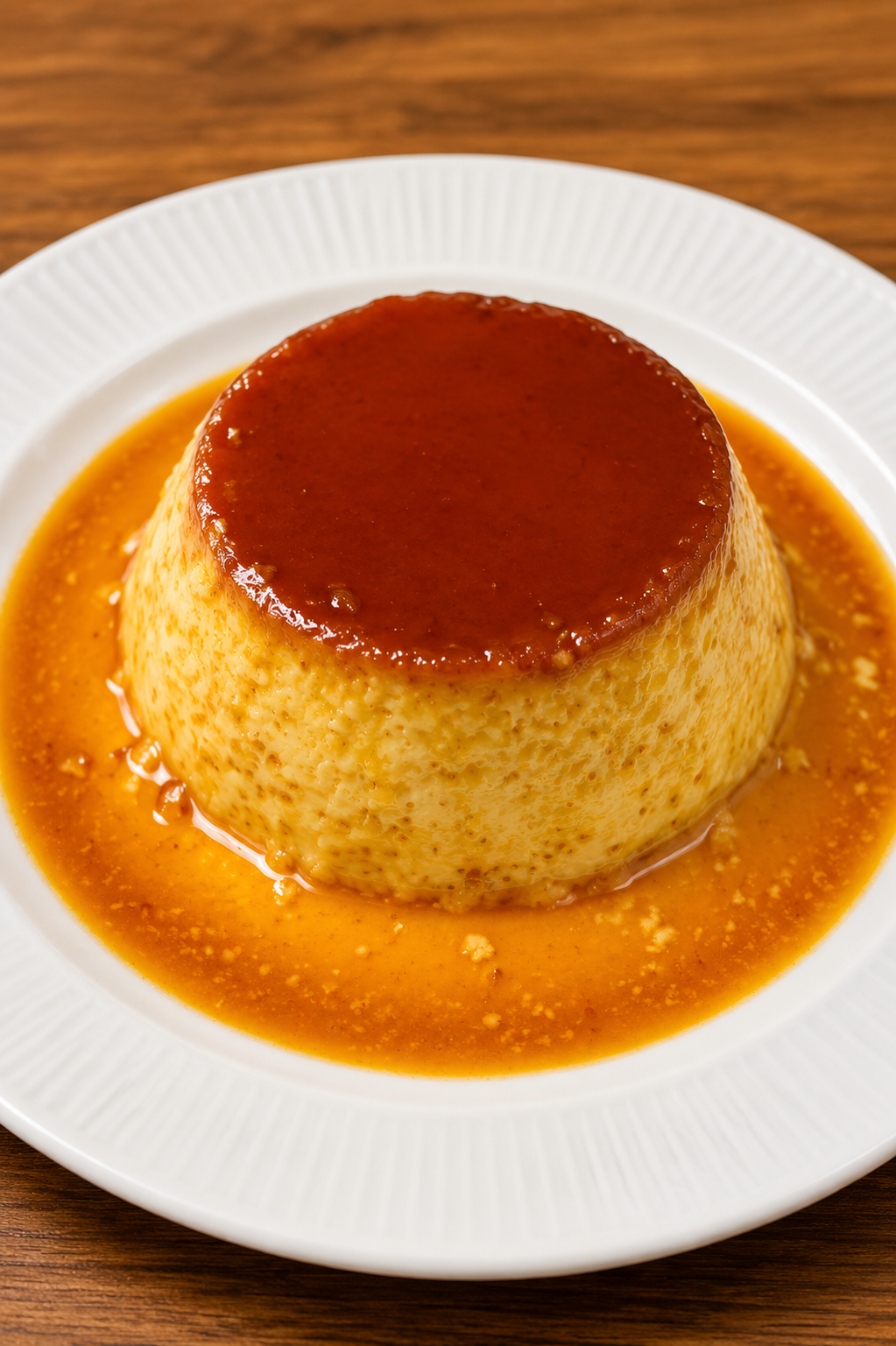
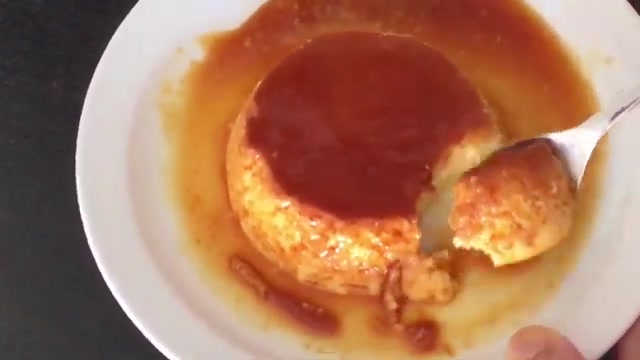
Luxuriously smooth, delicately fragrant, and glistening with a golden amber glaze, Mango Crème Caramel Pudding is the ultimate celebration of tropical sweetness and classic French pastry technique. By infusing a traditional egg custard with luscious, velvety mango puree and steaming it gently over a bed of homemade caramel, this showstopping dessert delivers a silky melt-in-the-mouth texture balanced by the pleasant bittersweet depth of caramelized sugar. Served chilled straight from the refrigerator, every spoonful offers a refreshing burst of real mango goodness that effortlessly elevates any dining occasion.
Classic crème caramel—also cherished worldwide as flan or caramel custard—relies on the gentle thickening power of egg proteins to create a delicate, sliceable custard without heavy starch or gelatin. Introducing ripe mango into this timeless formula adds vibrant sunshine-yellow color, floral fruity aromas, and natural sweetness that cuts through the richness of milk and egg yolks. The magic happens during baking or steaming: as the custard sets, the hard caramel lining the bottom of the ramekins slowly dissolves into a clear, liquid syrup that cascades over the pudding the moment it is inverted onto a serving dish.
This recipe uses a simple stovetop steaming method, eliminating the need for complex oven water baths while guaranteeing an ultra-tender, blemish-free custard without curdling or bubbles. Because the pudding requires several hours of refrigeration to firm up and allow the caramel to develop its deep flavor, it is one of the finest make-ahead desserts you can prepare for dinner parties, festive celebrations, or weekend family treats.
Table of Contents
- What Is Mango Crème Caramel?
- Why You’ll Love This Recipe
- How to Make Mango Crème Caramel
- Quick Overview
- Key Ingredients & Culinary Science
- Step-by-Step Instructions with Process Images
- What to Serve With Mango Crème Caramel
- Top Tips for Perfect Silky Custard
- Storing and Make-Ahead Tips
- Mango Crème Caramel Recipe Summary
- The Ultimate Tropical Finale for Your Table
What Is Mango Crème Caramel?
Mango Crème Caramel is an elegant custard dessert made by combining warm sweetened milk, egg yolks, whole egg, and pure mango pulp, poured over a layer of amber caramelized sugar and gently steamed until set. When chilled and flipped onto a plate, the caramel forms a shimmering golden crown and a pool of fragrant sauce around the velvety custard base.
Unlike baked puddings that can dry out around the perimeter or gelatin-based panna cottas that have a bouncy chew, traditional crème caramel achieves its characteristic melt-in-your-mouth tenderness through gentle heat coagulation of egg proteins. By using three egg yolks alongside one whole egg, this recipe increases the rich fat content while minimizing excess egg white albumin, resulting in an exceptionally creamy, custard-forward texture without any unwanted eggy aroma. The addition of smooth mango puree introduces natural fruit acidity and bright tropical sweetness that cuts through the dairy, creating a dessert that feels simultaneously decadent and refreshing.
Why You’ll Love This Recipe
Whether you are a seasoned baker or attempting your first custard dessert, this foolproof mango crème caramel delivers restaurant-worthy results every time. Here is why you will fall in love with this recipe:
- Silky, Melt-in-the-Mouth Texture: Straining the custard twice and gentle stovetop steaming ensures a mirror-smooth surface without bubbles or grainy curdling.
- Authentic Mango Flavor: Uses real mango pulp rather than artificial essences, providing true floral aroma and vibrant golden color.
- Bittersweet Amber Caramel: The rich, slightly bitter notes of cooked caramel contrast the sweet fruit custard to prevent the dessert from being cloying.
- Simple, Accessible Ingredients: Requires only milk, eggs, sugar, mango, and a splash of citrus—no artificial stabilizers, gelatin, or agar-agar needed.
- Ideal Make-Ahead Dessert: Prepare it 1 to 2 days in advance; resting in the refrigerator improves both flavor cohesion and sliceable firmness.
- Versatile Presentation: Steam in individual ceramic ramekins or glass bowls for personal servings, or in one large metal mold for a festive centerpiece.
- Naturally Gluten-Free: A wholesome dessert that naturally accommodates gluten-sensitive guests.
-
- Whole Milk (1¾ cups / 420 ml): Provides the liquid base and dairy fat necessary for a creamy, tender custard without the heaviness of double cream.
-
- Egg Yolks (3 large) + Whole Egg (1 large): The yolks contribute rich emulsifying lecithin and velvety mouthfeel, while the single whole egg provides just enough structured protein (albumin) to allow the pudding to hold its shape cleanly upon unmolding.
-
- Mango Pulp (⅓ cup / ~4 heaped tbsp): Use smooth canned Alphonso or Kesar mango pulp, or fresh ripe sweet mangoes pureed without adding water. Provides bright tropical flavor and vibrant natural color.
-
- Granulated Sugar (½ cup / 100g for custard + ¾ cup / 75g for caramel): Sweetens the custard and melts down into the rich amber caramel lining.
-
- Lemon or Lime Juice (1 tsp): Added to the caramel sugar to prevent premature crystallization and add a tiny touch of acidity.
-
- Hot Water (1 tbsp): Carefully added to the finished hot caramel to loosen the syrup slightly so it flows smoothly across the mold base.
-
- Pinch of Salt: Balances the sweetness and sharpens the aromatic mango notes.
-
- The Grand Finale for Rich Curries: The cool, fruity custard is the perfect soothing conclusion after robust savory dishes like classic butter chicken, deeply spiced Goan chicken xacuti, or aromatic chicken keema curry with potatoes.
-
- Seafood Feasts: Serve as an elegant dessert following tandoori proteins such as crispy air fryer tandoori fish or home-style Bengali spicy fish curry.
-
- Traditional Lunch Thalis: Completes a wholesome multi-course Indian meal featuring comforting Bengali-style masoor dal, vegetable sides like aloo fulkopir tarkari, and tangy sweet pineapple chutney on a Bengali lunch thali.
-
- Dessert Table Comparisons: If you are planning an elaborate party dessert spread, feature this pudding alongside eggless variations like eggless steamed mango caramel custard, layered coffee trifle pudding, or warm rich carrot halwa.
-
- Garnish Options: Plate with a few finely diced fresh mango cubes, fresh mint sprigs, or a handful of fresh raspberries for a bright visual and flavor pop.
-
- Do Not Stir Caramel with Utensils: Once the sugar starts melting, swirl the pan gently by the handle. Stirring with spoons introduces air and creates seed crystals that can turn your caramel into a grainy, seized clump.
-
- Watch the Caramel Color Like a Hawk: Sugar transitions from golden amber to burnt black in seconds. Pull the pan from the flame just before your target amber shade, as residual heat will continue browning the caramel.
-
- Temper Milk Gradually: Pour warm milk into the eggs slowly in a thin stream while whisking continuously. If the milk is boiling hot or added all at once, you will scramble the eggs.
-
- Never Skip Straining: Pouring the blended custard through a fine-mesh sieve removes egg chalazae and fruit fibers, guaranteeing that signature silky flan mouthfeel.
-
- Keep the Steamer Heat Low: High boiling temperatures cause custard proteins to contract violently, producing watery weeping (syneresis) and unsightly air bubbles. Maintain a gentle, steady simmer throughout.
-
- Trust the Jiggle: When removing from the steamer, the center should still wobble slightly like jelly. Do not over-steam; the residual heat and overnight refrigeration will firm the custard to sliceable perfection.
-
- Refrigerate Overnight: While 6 hours is the minimum, an overnight rest allows the hard caramel base to dissolve fully into luscious liquid sauce and ensures effortless unmolding.
-
- Refrigeration: Keep the steamed puddings covered with aluminum foil inside their molds in the refrigerator for up to 2 to 3 days. For the cleanest presentation, unmold right before serving.
-
- Unmolded Leftovers: Once inverted onto a plate, cover loosely with plastic wrap and consume within 24 to 48 hours. The caramel sauce will continue to soak into the custard base.
-
- Freezing: Freezing is not recommended for egg-based custards. The ice crystal formation damages the delicate protein network, causing the custard to break and weep water upon thawing.
- 1¾ cups (420 ml) whole milk
- 3 large egg yolks
- 1 large whole egg
- ½ cup (100g) granulated sugar
- ⅓ cup (80g) mango pulp (fresh or canned Alphonso/Kesar)
- Tiny pinch of salt
- ¾ cup (75g) granulated sugar
- 2 tbsp water
- 1 tsp fresh lemon or lime juice
- 1 tbsp hot water (for finishing caramel)
- Soft butter for greasing molds
- Boiling water for water bath
- Heat milk with ½ cup sugar and pinch of salt until simmering; remove and let cool to warm.
- Cook ¾ cup sugar, 2 tbsp water, and lemon juice in a pan over medium-low heat without stirring until amber. Off heat, add 1 tbsp hot water, then pour into buttered molds.
- Lightly whisk 3 yolks and 1 whole egg. Gradually pour in warm milk while whisking to temper.
- Whisk in ⅓ cup mango puree, then strain the mixture through a fine-mesh sieve.
- Pour custard over hardened caramel in molds and cover tightly with foil.
- Place molds in a pot lined with a towel; pour boiling water ⅓ up the sides. Cover and steam on medium-low for 30–35 minutes until just set.
- Cool to room temperature, then refrigerate for at least 6 hours or overnight.
- Run a thin knife around edges, invert onto plates, tap gently, and serve chilled.
How to Make Mango Crème Caramel
Crafting a silky mango crème caramel involves two key culinary stages: preparing the amber caramel and assembling the delicate custard base. The secret to success lies in watching the caramel closely as it reaches a rich honey-amber hue, gently tempering the eggs with warm sweetened milk to avoid scrambling, and straining the blended mango mixture before pouring it into buttered molds. Gentle steaming in a covered water bath sets the proteins evenly without boiling the custard.
Quick Overview
Prep Time: 20 minutes | Cook / Steaming Time: 30–35 minutes | Chilling Time: 6 hours (or overnight) | Total Time: 7 hours | Servings: 4–6 | Cuisine: French-Fusion / Global | Course: Dessert | Diet: Gluten-Free / Vegetarian
Key Ingredients & Culinary Science
Understanding the role of each ingredient ensures a flawless custard set and glossy sauce:
Step-by-Step Instructions with Process Images
Step 1: Heat the Milk and Dissolve Sugar
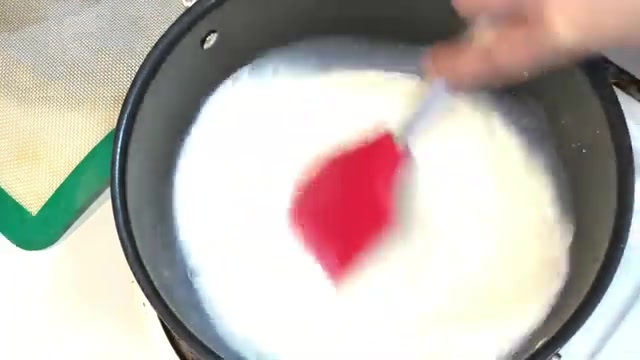
Pour 1¾ cups of whole milk into a saucepan and place it over medium-low heat. Add ½ cup of sugar and a tiny pinch of salt. Stir gently until the sugar dissolves completely. Heat the milk just until it reaches a gentle simmer with tiny bubbles forming along the rim of the pan (do not boil vigorously). Remove from heat and let it cool until warm to the touch (around 50°C / 120°F).
Step 2: Cook the Sugar into Amber Caramel
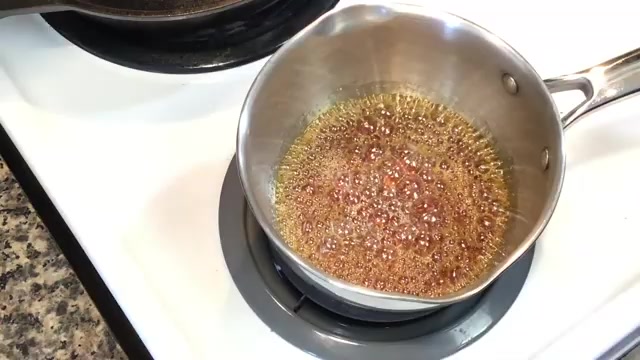
In a light-colored, heavy-bottomed saucepan, combine ¾ cup of sugar, 2 tablespoons of water, and 1 teaspoon of lemon juice off the heat. Place the pan over medium-low heat. Important: Do not stir with a spoon, as agitation causes sugar to crystallize. Let the sugar melt and bubble undisturbed. As the edges begin to turn golden, gently swirl the pan occasionally until the caramel transforms into a rich, clear amber color.
Step 3: Finish and Pour Caramel into Molds
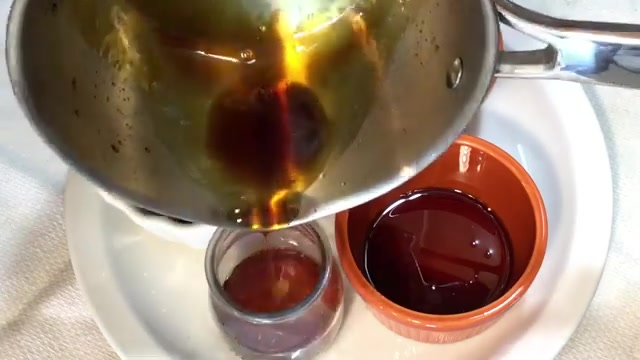
The instant the caramel achieves a deep amber color, remove the pan from heat immediately. Carefully drizzle in 1 tablespoon of hot water (exercise extreme caution as it will bubble and hiss vigorously). Swirl quickly to incorporate, then immediately pour the hot caramel into lightly buttered pudding bowls, ramekins, or a metal mold. Tilt each mold so the caramel coats the entire base evenly, then set aside to cool and harden.
Step 4: Whisk the Eggs
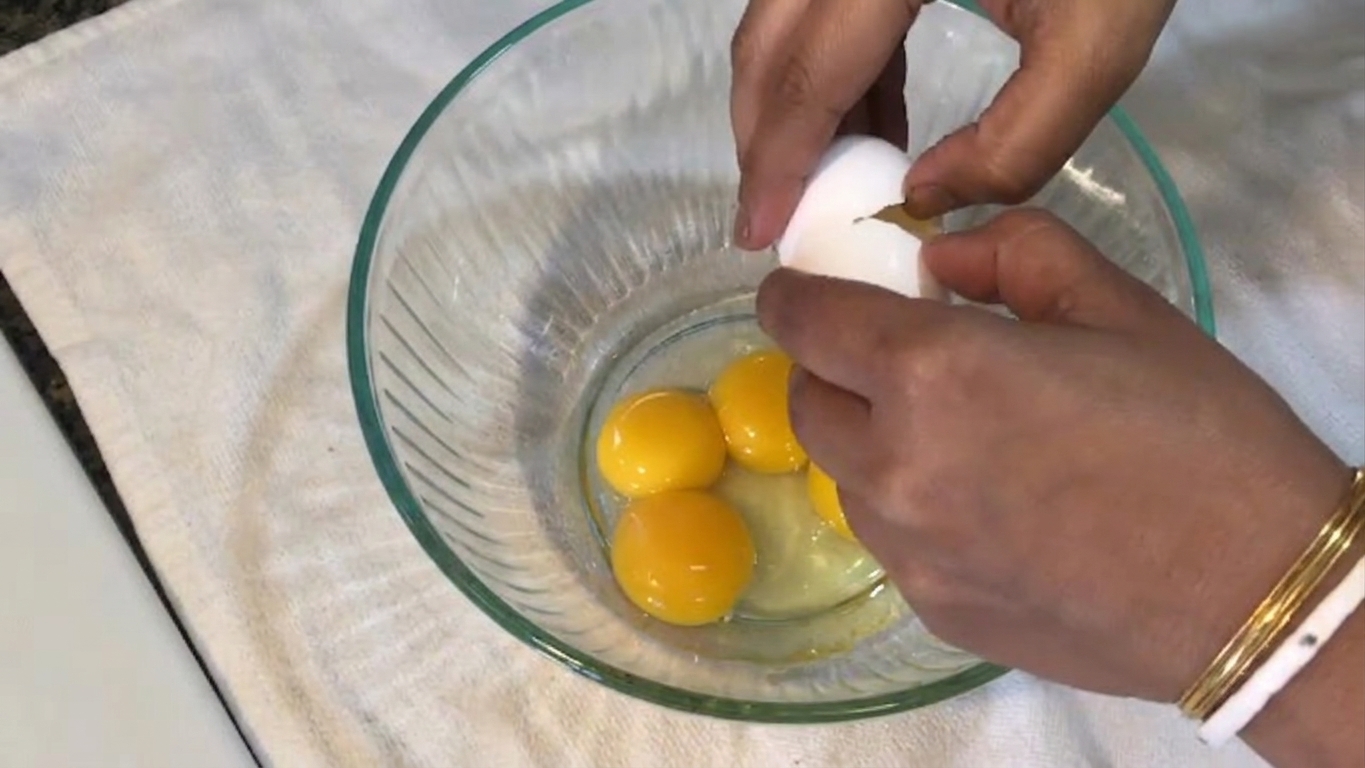
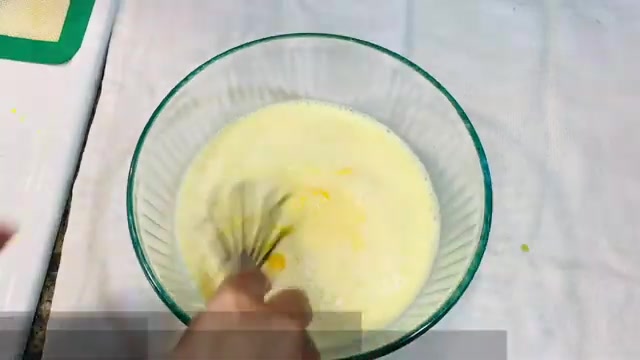
Separate 3 eggs, placing the 3 yolks into a medium mixing bowl. Add 1 whole egg. Using a hand whisk, lightly beat the eggs together until smooth and uniform. Avoid vigorous whipping; you want to blend the yolks and white without incorporating excessive air bubbles or froth into the mixture.
Step 5: Temper the Eggs with Warm Milk
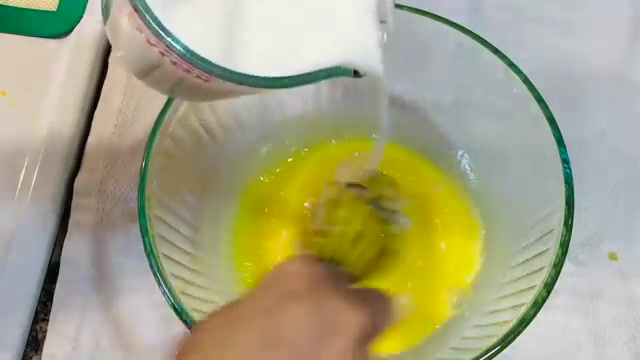
While whisking the eggs steadily, slowly pour in a small splash of the warm sweetened milk. Continue drizzling the warm milk in a thin, continuous stream while whisking constantly. This gradual tempering raises the temperature of the eggs gently without cooking or scrambling them.
Step 6: Incorporate Mango Pulp
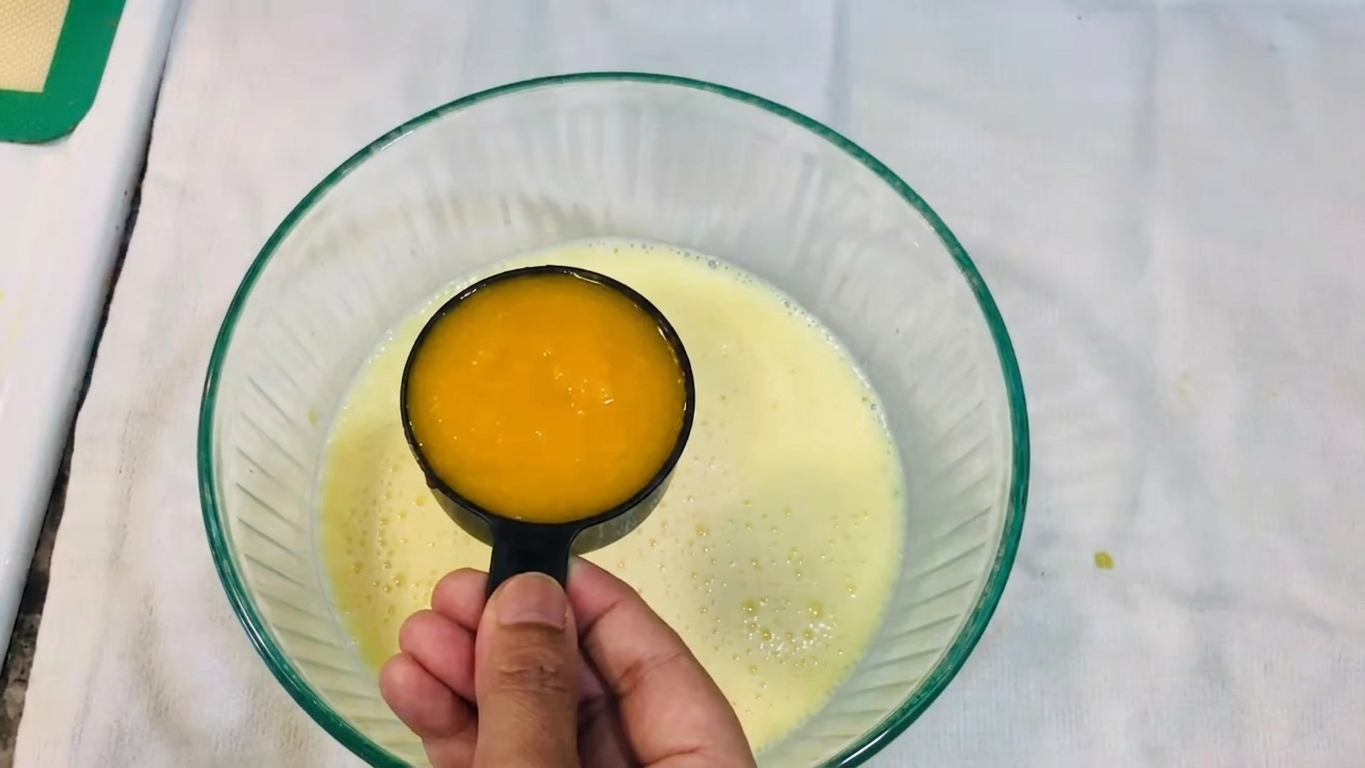
Add ⅓ cup of smooth mango puree to the warm custard base. Whisk gently until the mango is fully integrated, creating a luscious, evenly colored golden custard mixture with a fragrant mango aroma.
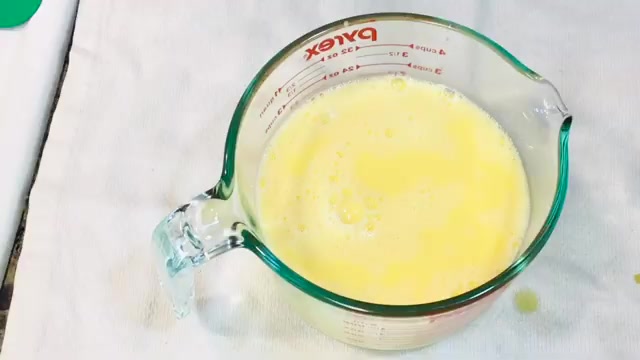
Step 7: Strain the Custard Mixture
Pour the mango custard through a fine-mesh stainless steel sieve into a clean pouring jug. This crucial step captures any stray cooked egg bits, chalazae, or fibrous mango strands, guaranteeing a mirror-smooth, professional custard texture. Skim off any surface froth with a spoon.
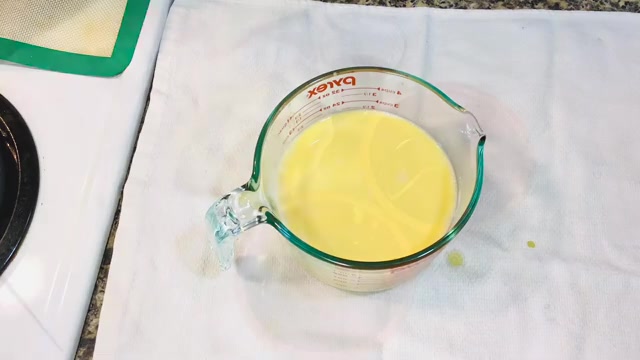
Step 8: Fill and Cover the Molds
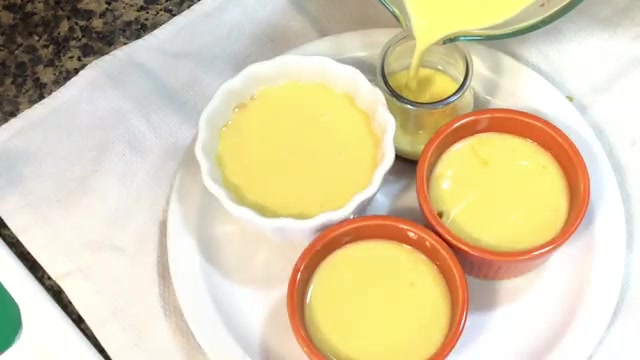
Carefully pour the strained mango custard over the hardened caramel in the prepared molds. Cover each mold tightly with a piece of aluminum foil to prevent steam droplets from dripping onto the custard surface during cooking.
Step 9: Set Up the Steamer Water Bath
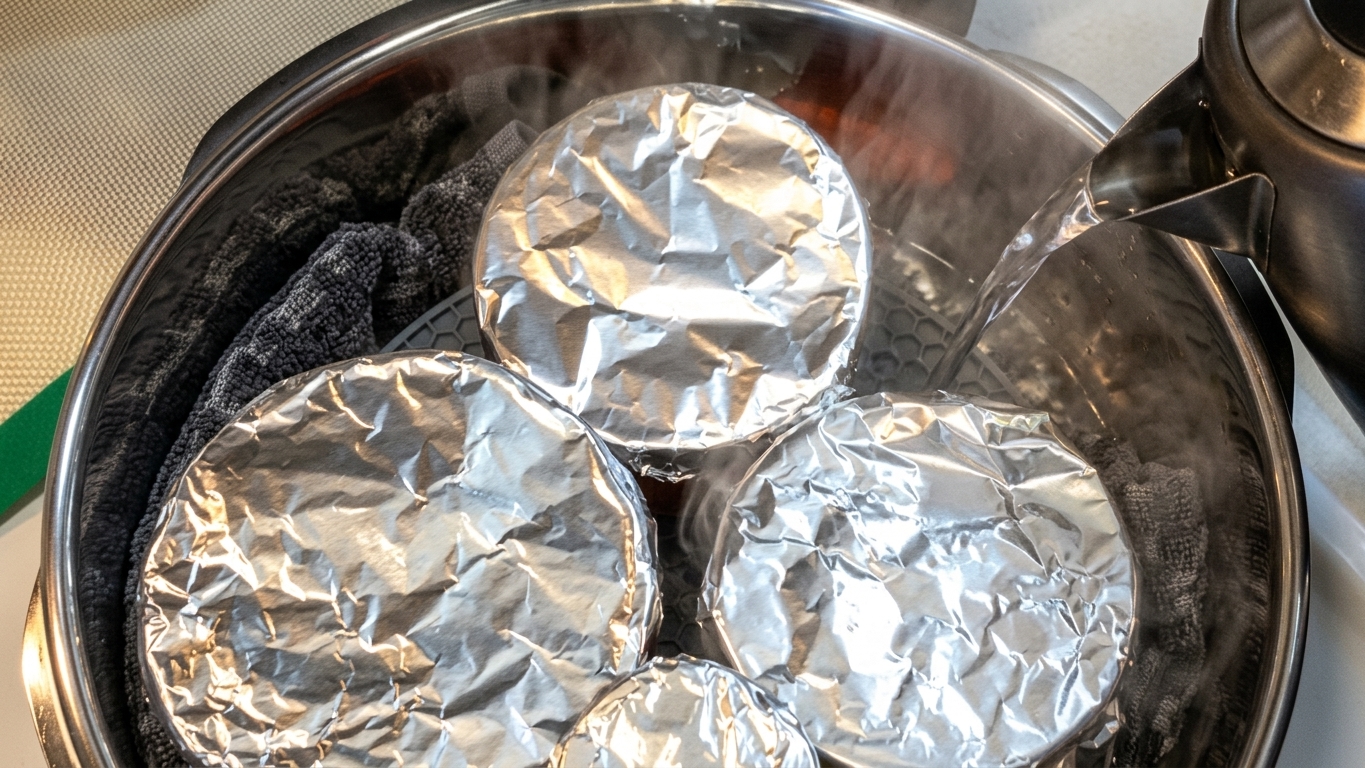
Place a folded kitchen towel or silicone steaming rack at the bottom of a wide, deep pot. The towel acts as an insulator, preventing harsh direct heat from the burner from overheating the bottom of the molds. Place the foil-covered molds inside. Pour boiling water into the pot until it reaches roughly one-third of the way up the sides of the molds.
Step 10: Steam to a Gentle Custard Set
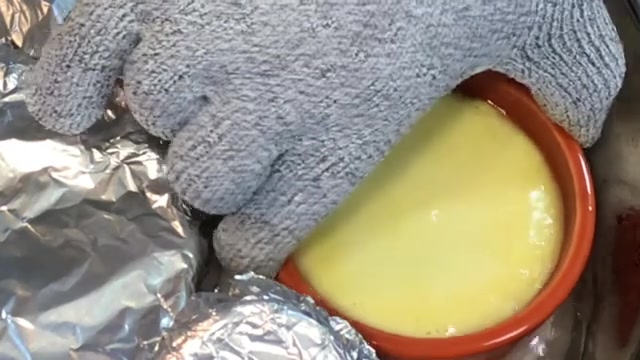
Cover the pot securely with a tight-fitting lid. Steam over medium-low heat for 30 to 35 minutes. Keep the water at a gentle simmer rather than a rolling boil. When done, the edges of the custard should be firmly set while the center retains a slight, gentle jiggle when nudged. A skewer inserted near the center should come out clean.
Step 11: Cool Completely and Chill Overnight
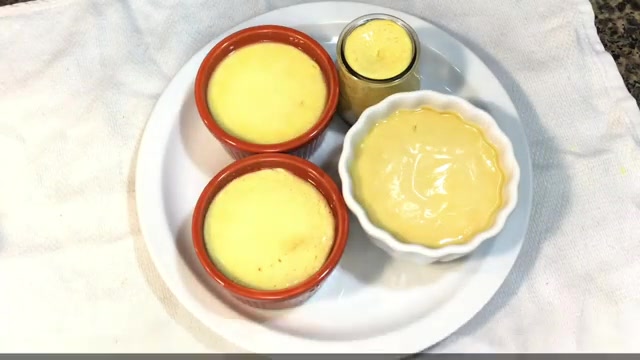
Carefully transfer the hot molds out of the water bath and place them on a cooling rack. Allow them to reach room temperature completely. Once cool, transfer the covered molds to the refrigerator and chill for at least 6 hours, ideally overnight. Chilling firms the custard proteins and allows the hardened caramel to dissolve into a luscious liquid sauce.
Step 12: Invert and Unmold with Flowing Caramel
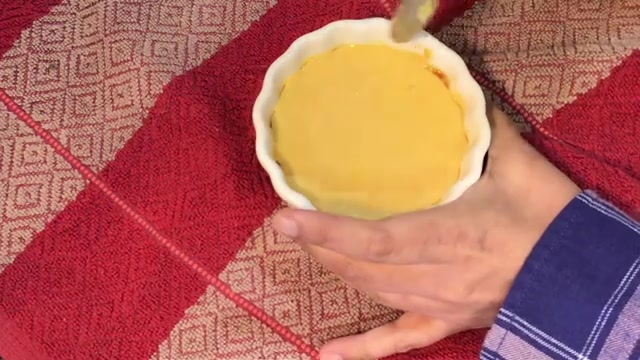
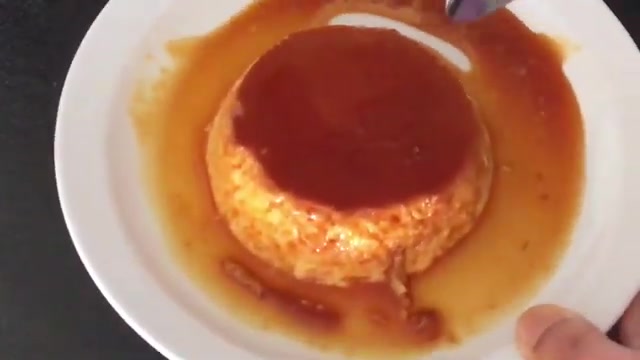
To serve, run a thin, flexible paring knife gently around the top rim of the mold to break the surface seal. Place a rimmed dessert plate upside-down over the mold. Firmly holding both the plate and mold together, flip them in one swift motion. Give a gentle downward tap; you will feel the pudding release and hear the caramel syrup flow onto the plate. Lift the mold away to reveal your glossy, golden mango masterpiece.
What to Serve With Mango Crème Caramel
Because mango crème caramel produces its own rich, glossy caramel sauce upon unmolding, it requires no heavy accompaniments. However, pairing it thoughtfully with other courses creates an unforgettable dining experience:
Top Tips for Perfect Silky Custard
Storing and Make-Ahead Tips
Mango crème caramel is the quintessential make-ahead party dessert:
Mango Crème Caramel Recipe Summary
A velvety, steamed French-style custard pudding infused with sweet mango pulp and glazed with an amber caramel sauce.
Prep Time: 20 mins | Cook Time: 35 mins | Chilling Time: 6 hrs | Total Time: 7 hrs | Servings: 4–6 | Cuisine: Global / French-Fusion | Diet: Gluten-Free / Vegetarian
Ingredients
Mango Custard:
Amber Caramel:
Steaming:
Instructions
The Ultimate Tropical Finale for Your Table
Mango Crème Caramel Pudding is a true masterclass in dessert elegance, marrying the silky sophistication of European flan with the radiant tropical sunshine of sweet mangoes. With its shimmering amber glaze, velvety spoonable custard, and make-ahead convenience, this delightful dessert guarantees gasps of delight the moment you unmold it at the table. Steam a batch today, let it chill to perfection overnight, and treat your family and guests to an unforgettable taste of pure culinary indulgence!